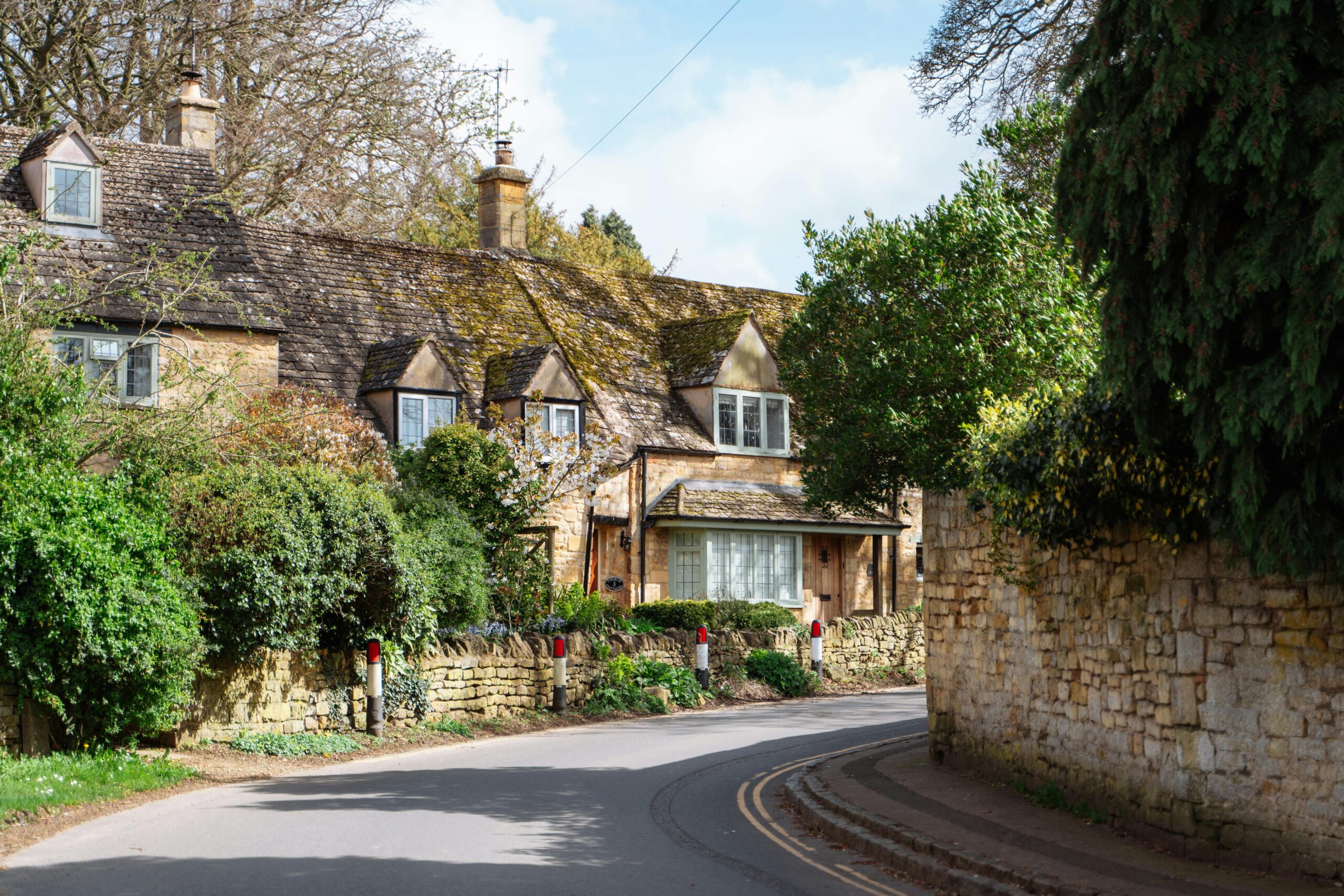


The English countryside travel experience has a way of shrinking the day in the best possible way. One minute you are in a market town with a bakery queue out the door, and the next you are on a narrow lane lined with hedges, wondering if you should stop for a church, a view, or lunch.
If you are choosing between the Cotswolds, Cornwall, or somewhere less obvious, do not just pick the loudest name. Many visitors look for quaint villages to ground their itinerary, so pick the trip that fits how you like to travel. That is where the magic is.
Key Takeaways
- Prioritize Pace over Planning: The English countryside is best enjoyed with a slow, flexible rhythm; resist the urge to over-schedule and leave room for spontaneous detours.
- Choose Your Ideal Vibe: Select a region based on your preference for atmosphere, such as the polished, quintessential village charm of the Cotswolds or the wild, rugged coastal energy of Cornwall.
- Limit Your Bases: To avoid turning your vacation into a commute, choose one or two well-located bases rather than attempting to cover multiple regions in a single trip.
- Consider Transport Realities: While some areas are best explored by car for maximum freedom, other regions like the Lake District offer scenic connectivity via trains and local transit options.
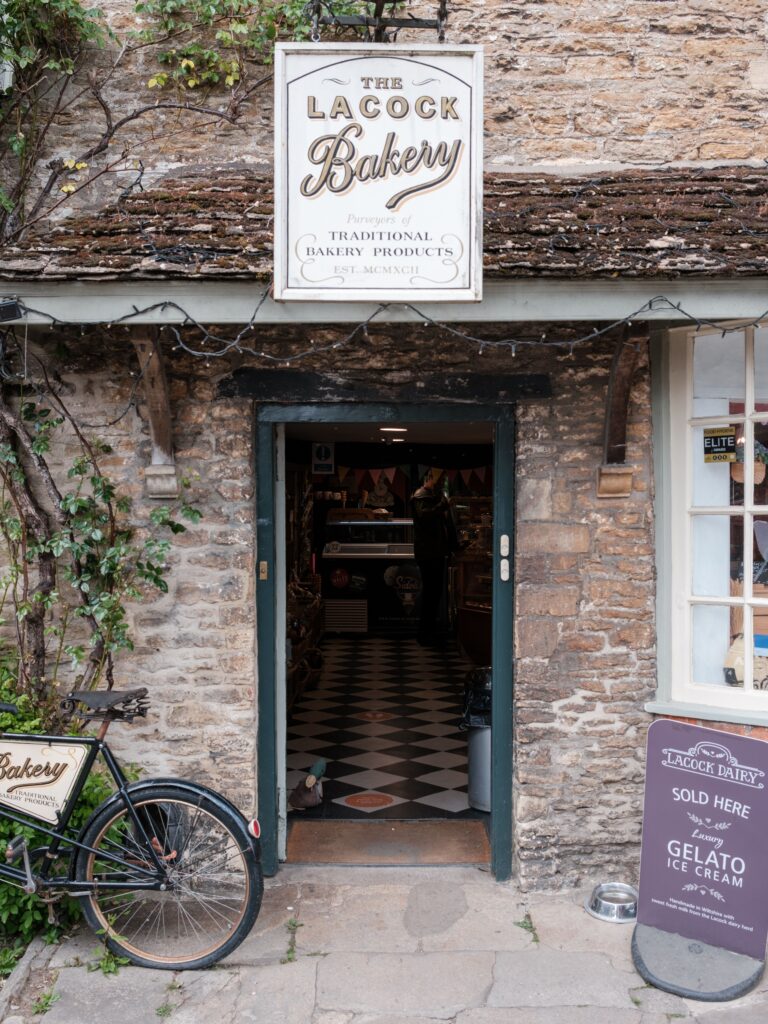
Why the English Countryside Feels So Different From a City Trip
A countryside trip in England isn’t built around big landmarks every hour. It’s built around rhythm. You drive a little, walk a little, eat well, then find a small detour you hadn’t planned on and end up liking that most.
That slower pace is the draw. You get village greens, cliff paths, farm shops, rolling hills, traditional pubs, local cheeses, and roads that force you to stop rushing. It also means you need a different mindset than you would for London, Bath, or York. Sights are spread out, public transport can be patchy, and the quick stop you imagined often turns into half your afternoon.
What kind of traveler will love it here
This kind of trip works best for people who like atmosphere as much as attractions. Couples usually love it. So do those looking for a scenic road trip, photographers, walkers, and anyone who wants a calmer, restorative countryside escape stitched together by good food and fresh air.
It’s also a strong choice if you hate overplanned days. The best moments often come from leaving space for a pub lunch, a viewpoint, or a village that wasn’t even on your list. If that sounds stressful, stick to cities. If it sounds freeing, you’re in the right place.
How to think about pace, distance, and transport
The biggest mistake is trying to cover too much. England looks compact on a map, but country roads can be slow, parking can take time, and scenic places reward lingering. Two well-chosen bases usually beat five rushed stops.
Some areas are easiest by car, especially Cornwall and the quieter parts of the Cotswolds. Others can work with train travel, buses, and local taxis if you’re willing to plan around schedules. If you’re torn between packing both regions into one short trip, this traveler discussion on linking Cornwall and the Cotswolds by car gives a useful reality check.
If you try to see the whole map, the countryside starts to feel like a commute.
The Cotswolds: Best for Classic Villages, Easy Scenic Days, and Slow Travel
If you picture honey-colored stone cottages, thatched cottages, low hills, old pubs, and walks that end with a cream tea, you are picturing the Cotswolds. This is the classic first countryside trip for a reason. It is easy to understand, easy to love, and full of places that look exactly how people hope rural England will look. Many of these beautiful locations are conveniently accessible as day trips from London, making them a popular escape for those looking to swap city noise for the beauty of English manor houses.
The appeal is not only the postcard villages. It is how simple the days feel. A short drive, a village wander, a churchyard, a pub, a scenic lane, maybe a garden, and then you are done. No big production. No need to keep score.
Which Cotswolds towns are worth your time
Bourton-on-the-Water is the crowd-pleaser. It is pretty, central, and easy for first-time visitors, though it gets busy fast. Go early or late and it feels much calmer.
Bibury is smaller and more of a stop than a base. It has one of the most photographed streets in the region, but you do not need a full day there. Think short walk, quick look, then move on.
Stow-on-the-Wold is a prime example of the region’s historic market towns, working well if you want antique shops, a useful base, and a slightly busier village center. Chipping Campden has a more polished feel and is great for those interested in outdoor activities, especially if you are eyeing part of the Cotswold Way. Painswick is a lovely choice if you want something quieter, with a softer village feel and easier access to the southern Cotswolds.
The trick is not to stop everywhere. Some villages are perfect for 45 minutes. Others are worth building a day around. The best Cotswolds trips know the difference.
A few quieter Cotswolds experiences beyond the postcard spots
This is where the region gets more interesting. The Rollright Stones, near Chipping Norton, feel ancient and a little mysterious without turning into a giant tourist stop. Snowshill Manor adds character fast, with eccentric collections and a setting that feels different from the usual pretty-village pattern.
If you are near Painswick, the Rococo Garden is worth your time. It is unusual, playful, and a good change of pace from churches and tearooms. A heritage steam railway ride in the north Cotswolds can also break up the trip nicely, especially if you are traveling with kids or anyone who loves old-school train travel. For something more outdoorsy, the lakes around Cotswold Water Park give you a different side of the region, less village, more space.
Quiet villages help, too. Blockley has a calmer feel than the biggest-name spots, and the commons above Stroud open up the landscape in a way many visitors miss.
Cornwall: Wild Coastlines, Moorland Views, and Hidden Corners
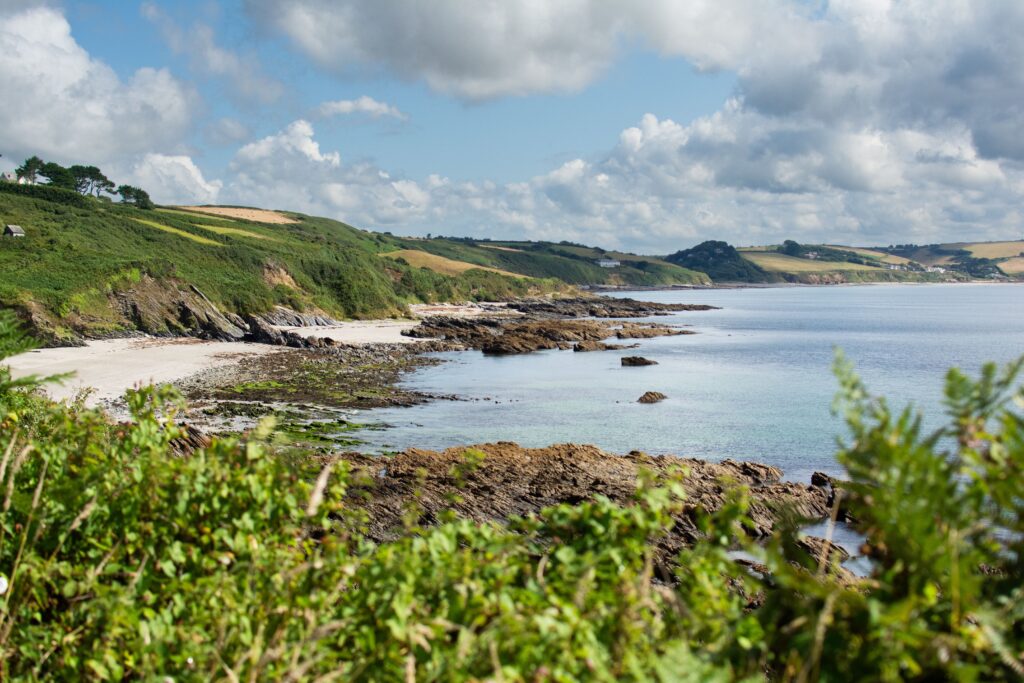
Cornwall and the wider Devon and Cornwall region feel different the second you arrive. The Cotswolds are soft and tidy, whereas Cornwall is defined by wind, cliffs, surf, old mines, and lanes that seem to head straight into the sea. If you want bigger scenery and more adventure energy, this is the better pick.
It also has more variety than people expect. You can spend the morning on a coast path, the afternoon in an art town, and the evening eating seafood in a harbor. That mix is what makes Cornwall special.
Where Cornwall feels most special
St Ives is the obvious favorite for a reason. It has beaches, galleries, and that bright, sea-lit look and picturesque scenery that makes even a short walk feel cinematic. Padstow is more about food and estuary views, with an easygoing harbor-town feel that works well for a slower weekend.
The north coast is the place for surf beaches, dramatic coastal walks, and a bit more weather in the best sense. The south coast feels gentler, with harbors, sheltered coves, and small towns that invite you to slow down. Then there is Bodmin Moor, which strips everything back. It offers open land, granite, old stories, and fewer people. If villages are your thing, start in the Cotswolds. If you want your countryside with salt in the air, Cornwall wins.
Off-the-beaten-path Cornwall worth adding to the route
Some of Cornwall’s best stops are the ones people skip because they are chasing the famous beach list. St Nectan’s Glen, near Tintagel, feels almost tucked away, with woodland paths and a waterfall setting that shifts the mood of the day. Botallack Mines, which are part of the Cornwall and West Devon Mining Landscape UNESCO World Heritage sites, bring the county’s history right to the edge of the cliffs, and the views there are hard to forget.
For history, Chysauster Ancient Village and the rugged Bodmin Moor serve as prime examples of the region’s ancient landscapes, giving you something older and quieter than the usual castle stop. In Boscastle, the Museum of Witchcraft and Magic adds a different layer to Cornwall’s personality, as it is eccentric, atmospheric, and very rooted in place. If you want nature without the coastal crowds, Golitha Falls offers woodland walks and river scenery instead of sand and surf.
Then there are the places that feel made for a late-afternoon detour. The Rumps gives you one of the best headland walks in North Cornwall. The Hurlers stone circles and the Cheesewring on the moor make a strong pair if you like a bit of myth with your landscape. None of these are hard sells. They simply make Cornwall feel bigger, stranger, and more personal.
Beyond the Big Two: Other English Countryside Areas That Deserve More Attention
The English countryside does not have one look. That is the point. If the Cotswolds are polished and Cornwall is dramatic, other regions land somewhere else entirely.
The Peak District is a fantastic choice for anyone who wants a weekend built around rugged gritstone edges and charming market towns. The Lake District leans bigger, with expansive lake views, steeper fells, and a quintessential national park atmosphere. Yorkshire Dales provides iconic valleys, abbey ruins, stone villages, and some of the best driving scenery in the country. For a gentler short break, the historic appeal of Kent, Sussex, and the dramatic Jurassic Coast in Dorset work beautifully. Across these diverse regions, travelers will find world-class hiking trails that define the beauty of the British landscape.
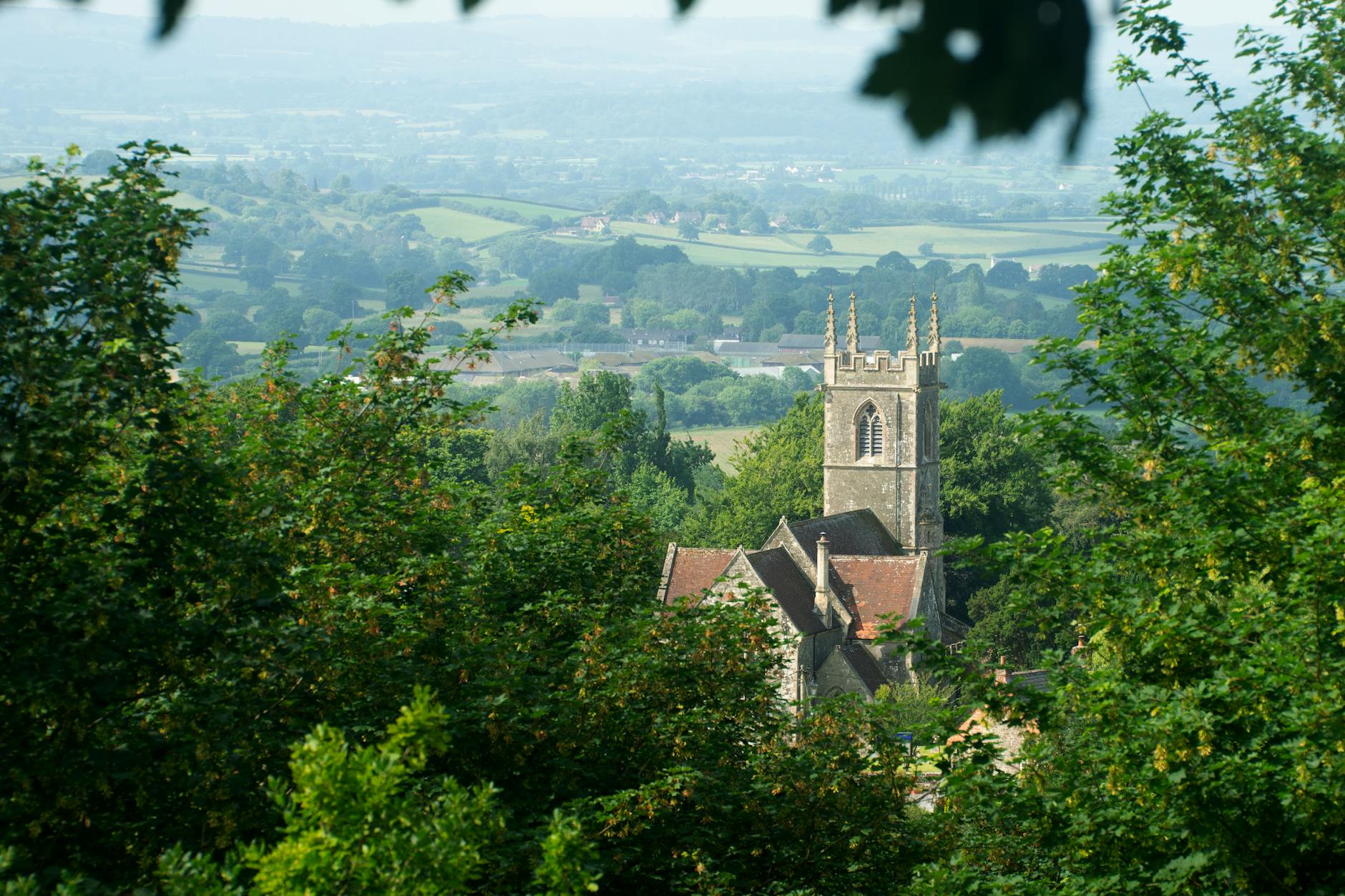 Photo by Phil Ledwith
Pick a region based on the kind of trip you want
For a romantic escape, the Cotswolds or the south coast of Cornwall usually come out on top. If you want long walks and bigger views, head for the rugged coast of Cornwall, the Peak District, or the Lakes. Food-focused weekends work well in Cornwall, Yorkshire, and pockets of Kent.
If you are not renting a car, your shortlist shifts. Yorkshire and the Lake District can pair well with traveling by rail through the English countryside, followed by local taxis or short bus rides. If you want villages, coast, and hills all in one trip, Cornwall does that best, but only if you give it enough time.
When to visit for the best scenery and easiest planning
Spring is hard to beat. Everything looks fresh, gardens wake up, and the countryside has that bright green color travelers hope to see. Summer brings the longest days and the busiest roads. It is lovely, but you will need more patience.
Autumn often feels easiest. The light softens, the colors improve, and popular places calm down a bit. Winter can be cozy, especially in village inns and market towns, but some coastal days will be rough and some smaller attractions cut their hours. For many travelers, the shoulder season strikes the perfect balance by offering picturesque scenery alongside better value, fewer crowds, and plenty of natural beauty.
Frequently Asked Questions
Is it possible to visit the English countryside without renting a car?
Yes, it is possible, though it requires more planning. Regions like the Lake District or parts of Yorkshire are well-served by trains, buses, and local taxis, whereas more remote corners of the Cotswolds and Cornwall are significantly easier to navigate with your own vehicle.
How many days should I spend in a region to get a good experience?
It is generally better to dedicate at least three to four days to a single area rather than rushing through several stops. This allows you enough time to settle into a rhythm, visit local sites without feeling pressured, and enjoy the slower pace that defines the countryside.
What is the best time of year to visit?
Spring offers fresh, vibrant landscapes and blooming gardens, while autumn provides softer light and fewer crowds. Summer features the longest days for exploring but comes with busier roads and more tourists, while winter is ideal if you prefer cozying up in a traditional pub near a fireplace.
Final thoughts
The best English countryside escape is not defined by the number of stops on your itinerary, but rather by the mood you cultivate along the way. Whether you are wandering through the Cotswolds for classic village charm or visiting Cornwall for dramatic coastlines and wilder scenery, the real magic happens when you slow down. Other regions offer their own unique appeal, depending on whether you are looking for serene lakes, rugged hikes, historic abbeys, or simply a quiet weekend away from the city.
No trip is truly complete without settling into one of the local traditional pubs for a hearty Sunday roast. This quintessential experience provides the perfect rhythm to your travel. Pick a few locations rather than trying to see too much, and always leave room for the scenic road, the long lunch, and the stop you did not plan. That is usually where the countryside begins to feel truly memorable.
