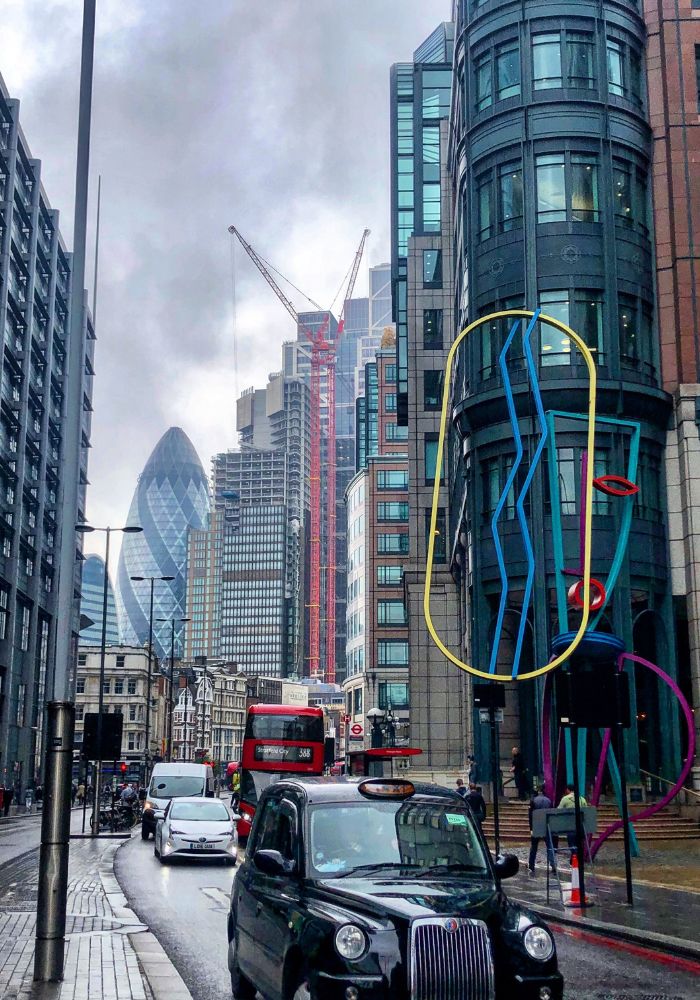


London offers enough excitement to keep you busy for a week without making you feel like you need a vacation from your vacation. Seven days gives first-time visitors enough time to see iconic sites like Buckingham Palace and the Tower of London, wander historic neighborhoods, browse excellent museums and markets, relax in leafy parks, and sneak into a few quieter corners that most people miss.
This 7-day London itinerary is built specifically for first-time visitors who want a practical pace, realistic travel times, good food stops, rainy-day backup plans, and one optional day trip without spending the whole week sprinting between Tube stations. Let’s start with the best areas to stay and how to set yourself up for an easier trip.
Key Takeaways
- Prioritize Location: Choosing a home base like Covent Garden, Westminster, or South Bank minimizes transit time and keeps you close to the major landmarks you’ve traveled to see.
- Group by Neighborhood: Structure your days by geography rather than attraction type; focusing on one area per day—like the Tower of London and the City—reduces time spent in the Tube and allows for a more relaxed pace.
- Plan for Flexibility: Use a mix of pre-booked tickets for high-demand sites like the Tower of London and West End shows, but leave gaps in your schedule for spontaneous walks, pub lunches, and rainy-day swaps.
- Embrace the Local Rhythm: London is best explored on foot; plan for plenty of walking but remember that parks, markets, and neighborhood wanders are just as essential to the experience as the major tourist attractions.
Plan Your London Trip Before You Arrive
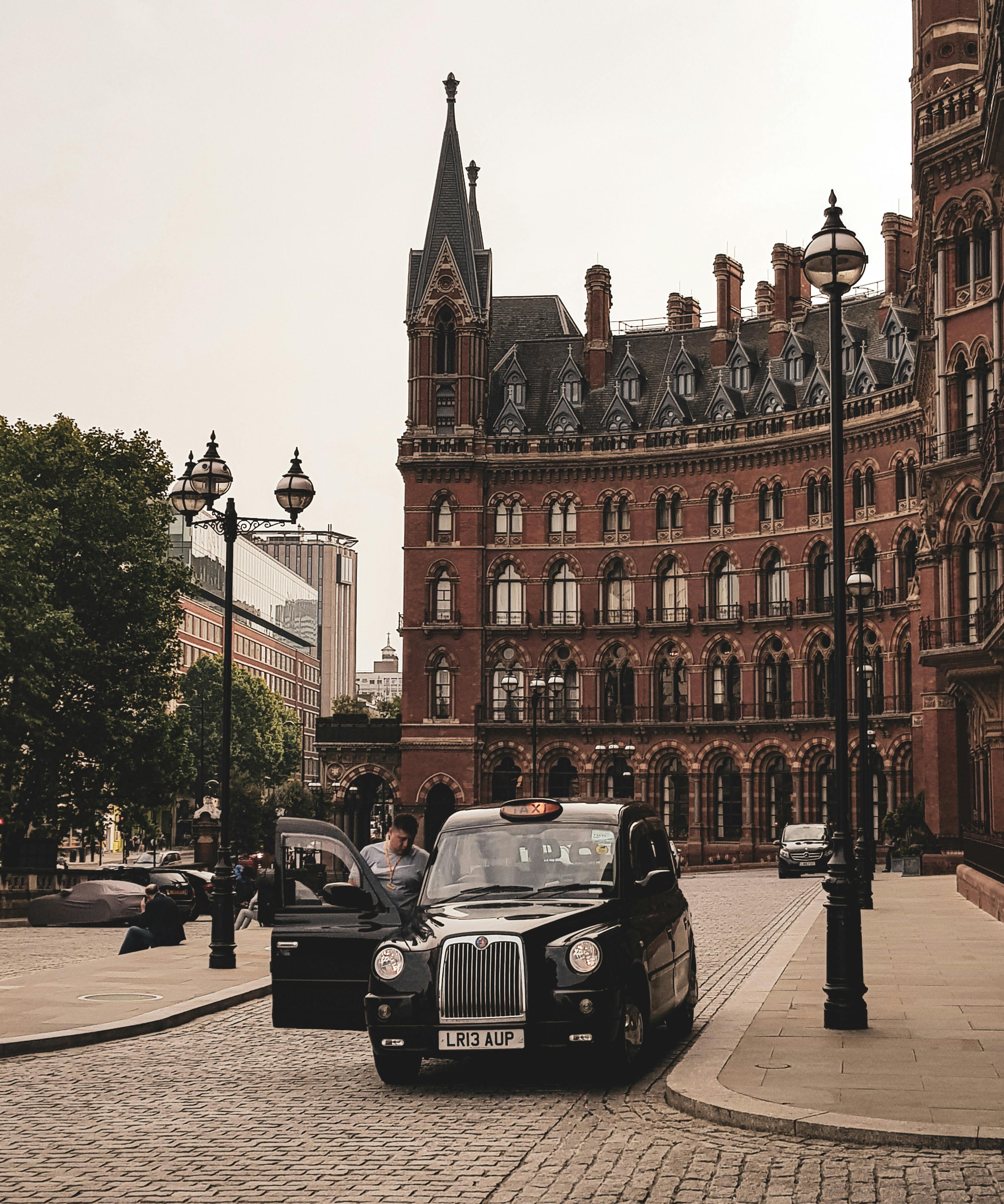
A little planning will save you from spending half your vacation underground, wondering whether you boarded the right Tube line. Picking a neighborhood that matches your travel style, grouping sights by area, and leaving room for the occasional wrong turn will make your trip much more manageable. London is much more fun for first-time visitors when your itinerary has breathing room.
Where to Stay in London for a First Visit
Where you stay can shape your entire London trip. A central hotel may cost more, but it can save time and give you an easier place to rest between museums, royal landmarks, and long walks. These neighborhoods are especially useful for first-time visitors planning their trip.
Covent Garden
Covent Garden is one of the easiest bases for classic London sightseeing. You can walk to the West End, Trafalgar Square, the National Gallery, Leicester Square, and the river. The area has lively restaurants, theaters, market stalls, and plenty of people-watching, although the crowds can feel intense around the market during the day.
The trade-off is price. Covent Garden is popular, and hotels here often charge more for their location. Streets can also stay busy late into the evening, especially near the theaters.
- The Resident Covent Garden is a smart choice for couples or solo travelers who want a polished, comfortable base with a quieter feel than a large chain hotel.
- Seven Dials Hotel fits travelers who want to stay close to theaters, restaurants, and the market without booking a huge luxury property.
Covent Garden works best if this is your first London visit and you want to step outside your hotel straight into the action.
Westminster
Westminster puts you near Big Ben, Westminster Abbey, Buckingham Palace, St. James’s Park, and the Houses of Parliament. It feels grand and historic rather than trendy, with wide streets, government buildings, and some of the city’s most recognizable views.
Westminster Underground Station connects you to the District, Circle, and Jubilee lines. Victoria Station is also nearby, which helps with airport connections and train trips. The area becomes much quieter after business hours, so nightlife and casual dining are more limited than in Covent Garden or Soho.
- The Guardsman suits travelers who want a stylish small hotel near Westminster Abbey and Buckingham Palace.
- Conrad London St. James is a comfortable pick for visitors who prefer full-service amenities and easy access to St. James’s Park.
Choose Westminster if sightseeing comes first and you don’t mind trading late-night buzz for a calmer evening.
South Bank
South Bank gives you river views, cultural attractions, and a slightly more relaxed pace. You can walk along the Thames to the London Eye, Shakespeare’s Globe, Tate Modern, Borough Market, and Tower Bridge. The riverside path is especially enjoyable in the evening when London’s skyline starts to glow.
Waterloo Station makes South Bank convenient for the Tube, trains, and airport connections. The area is not completely quiet, especially near the London Eye and Southbank Centre, but it feels less chaotic than the streets around Leicester Square.
- Sea Containers London is a fun choice for couples and design-minded travelers who want a memorable riverside stay.
- Ruby Lucy Hotel London works well for younger travelers and anyone who likes a casual, playful hotel near Waterloo.
South Bank is a great compromise if you want major attractions nearby but would rather return to the river than a crowded shopping street.
Shoreditch and Spitalfields
Shoreditch and Spitalfields are strong choices for food, nightlife, markets, and a more creative side of London. Brick Lane, Spitalfields Market, Columbia Road Flower Market, and countless restaurants are close by. You will also find cocktail bars, live music, vintage shops, and some very serious breakfast sandwiches.
Liverpool Street, Shoreditch High Street, and Old Street stations make the area easy to reach. The main drawback is distance from Westminster and some of the West End sights. You can get there by Tube, but you may spend more time commuting on days focused on royal London or museums.
- The Hoxton, Shoreditch is a good fit for travelers who want a social hotel with a popular restaurant and bar downstairs.
- Leman Locke suits longer stays, families, or anyone who appreciates a small kitchen and apartment-style space.
Stay here if London’s restaurants, markets, and nighttime energy sound more exciting than being steps from Big Ben.
Bloomsbury
Bloomsbury is central, leafy, and bookish without feeling too polished. The British Museum, Russell Square, British Library, and several university buildings are nearby. It is also close enough to Covent Garden and Soho for dinner or a show without putting you in the middle of the busiest crowds.
Russell Square, Euston Square, and King’s Cross St. Pancras stations make getting around simple. Bloomsbury is quieter at night, with fewer flashy bars and more relaxed pubs. Some streets feel residential, which can be a welcome change after a full day of London noise.
- The Montague on the Gardens is a charming choice for couples who want traditional style beside Russell Square.
- The President Hotel is practical for first-time visitors who value a central location near the British Museum and multiple Tube stations.
Bloomsbury is a dependable base for museum lovers, families, and travelers who want central London without constant crowds.
Marylebone
Marylebone has a village-like feel, with independent shops, cafes, quiet streets, and excellent restaurants. It is close to Regent’s Park, Madame Tussauds, Oxford Street, and the Wallace Collection. The neighborhood feels more residential than Covent Garden, but you can still reach major sights quickly. While Marylebone is a great hub, travelers often head toward South Kensington for its concentration of world-class museums if they want to maximize their exposure to culture and history.
Bond Street, Baker Street, and Marylebone stations connect the area to much of London. Paddington Station is also within reach for travelers using the Heathrow Express or Elizabeth line. The main trade-off is that Marylebone sits slightly away from the Thames and Westminster, so expect a longer ride for those attractions.
- The Marylebone Hotel is a strong choice for travelers who want stylish rooms, a neighborhood atmosphere, and easy access to central shopping.
- Dorset Square Hotel fits couples and solo travelers who prefer a smaller boutique property near Regent’s Park and Baker Street.
Marylebone is ideal if you want a peaceful, polished base and don’t need nightlife outside your front door.
How to Get Around London Without Wasting Time
London is big, but most first-time itineraries are easier than they look when you group nearby sights together. Plan one main area each day instead of zigzagging across the city like you are collecting Tube stations.
Walking is often the fastest option between nearby attractions. Expect roughly 20,000 to 30,000 steps on your busiest sightseeing days, with lighter days closer to 10,000 to 18,000 steps. Westminster, South Bank, and the West End are easy to explore on foot, while areas around Hampstead or Primrose Hill include more hills.
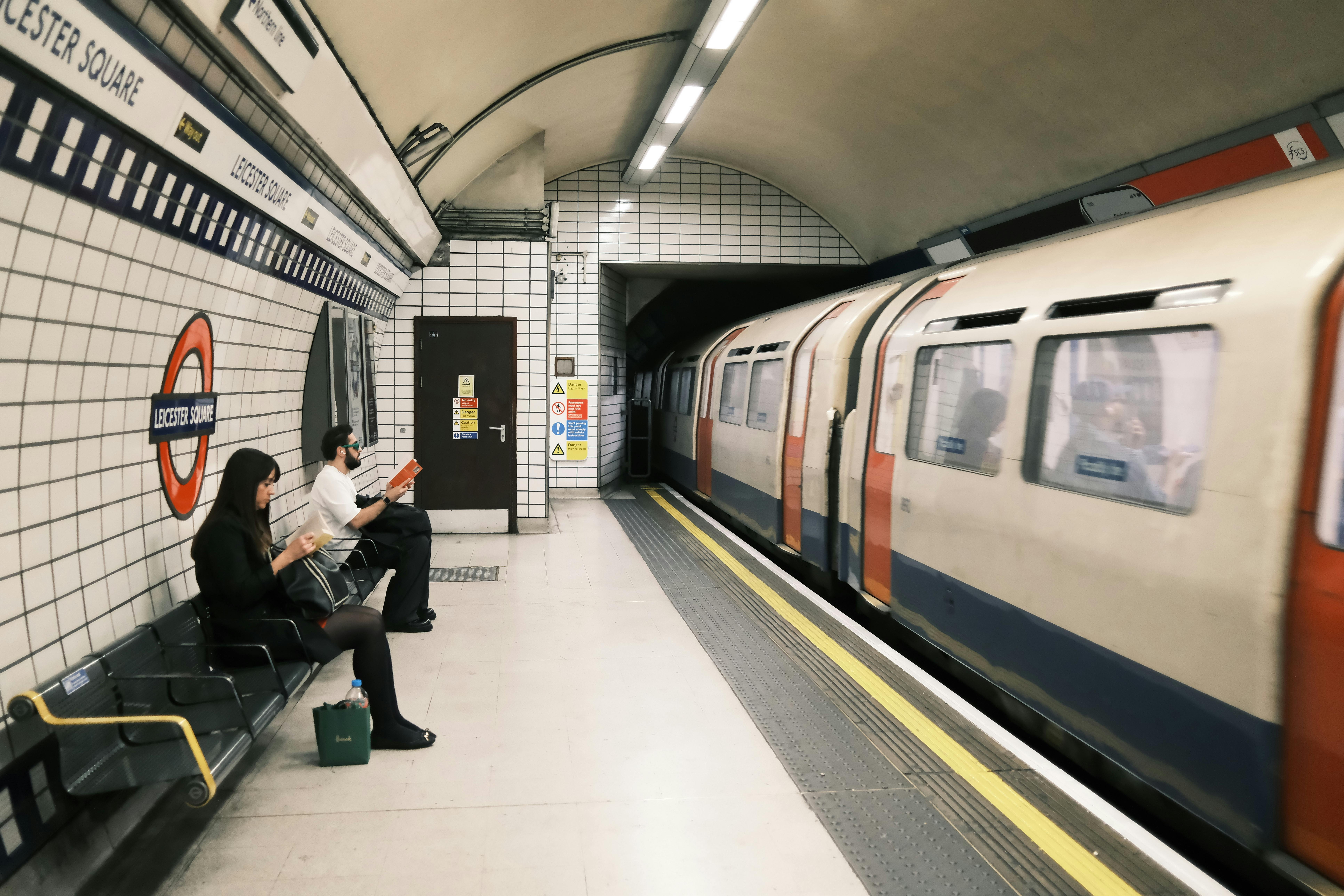
The London Underground, usually called the Tube, is the quickest choice for longer distances. Use it for cross-city journeys, then walk once you reach your destination. Stations can involve long corridors, escalators, and stairs, so allow extra time if you are carrying luggage or traveling with a stroller.
London buses are slower but often more enjoyable. They provide a better view of the city and can save you from climbing through a deep Tube station. Routes across central London are useful when you want to travel a short distance without walking the entire way.
Contactless cards and mobile wallets are usually the simplest way to pay. Tap in at the station entrance and tap out when you leave. Use the same card or device for the whole journey, rather than tapping in with your phone and out with a physical card. Mixing payment methods can confuse the fare system.
For current closures, delays, and route changes, check Transport for London’s official journey planner before leaving your hotel. London transport loves a surprise engineering closure, particularly on weekends.
When you arrive, Heathrow is connected to central London by the Elizabeth line, Piccadilly line, and Heathrow Express. The Elizabeth line is often a useful middle ground between speed and cost. From Gatwick, travelers can use the Gatwick Express or regular rail services to Victoria, London Bridge, or St. Pancras, depending on the route. Stansted, Luton, and London City airports each use different rail or coach connections, so check your exact airport before choosing a hotel transfer.
If you land after a long overnight flight, don’t plan a heroic sightseeing marathon. Get to your hotel, take a short walk, and save the big landmarks for when your brain has rejoined the group.
The 7-Day London Itinerary
London rewards a little structure, but it doesn’t need to feel like a military operation. This plan groups nearby attractions together, leaves room for food and wandering, and gives you a few easy swaps when the weather decides to be dramatic.
You can follow each day in order or switch them around. Check opening hours, attraction availability, and tour schedules before setting out, especially for the Tower of London, Westminster Abbey, museums, and West End shows.
Day 1: Westminster Landmarks and a Thames Evening
Start your London trip with the landmarks that probably convinced you to visit in the first place. Begin at Westminster Abbey, then walk toward the Houses of Parliament and Big Ben. The buildings are close together, so you can see several major sights without spending your first morning underground.
Westminster Abbey is worth visiting inside if you enjoy history, royal ceremonies, and old buildings with a slightly ridiculous number of famous names attached to them. Book ahead when possible, since entry times can fill up. If you prefer to admire it from outside, spend more time around Parliament Square and the riverside instead.
From there, walk through St. James’s Park toward Buckingham Palace. The park makes a welcome change from grand buildings and busy roads, with landscaped gardens, water views, and plenty of benches for a quick break. Check the official Changing of the Guard schedule before you go. The ceremony doesn’t happen every day, and arriving without checking can leave you standing near the palace wondering where everybody went.
If you want more context than a quick photo stop provides, consider a guided Westminster walking tour. After lunch, you might explore the nearby Trafalgar Square or wander through the National Gallery. Arrival day should have some breathing room, especially if you’re dealing with jet lag. Afterward, head toward the Thames for an easy evening.
You could take a short riverside walk near Westminster Bridge, join a river cruise, or continue along the South Bank toward the London Eye. Dinner around South Bank gives you plenty of choices and a pretty skyline, particularly as the city lights come on. Keep the first night manageable. London will still be there tomorrow, annoyingly large and full of things to see.
Day 2: The Tower of London, Tower Bridge, and the City
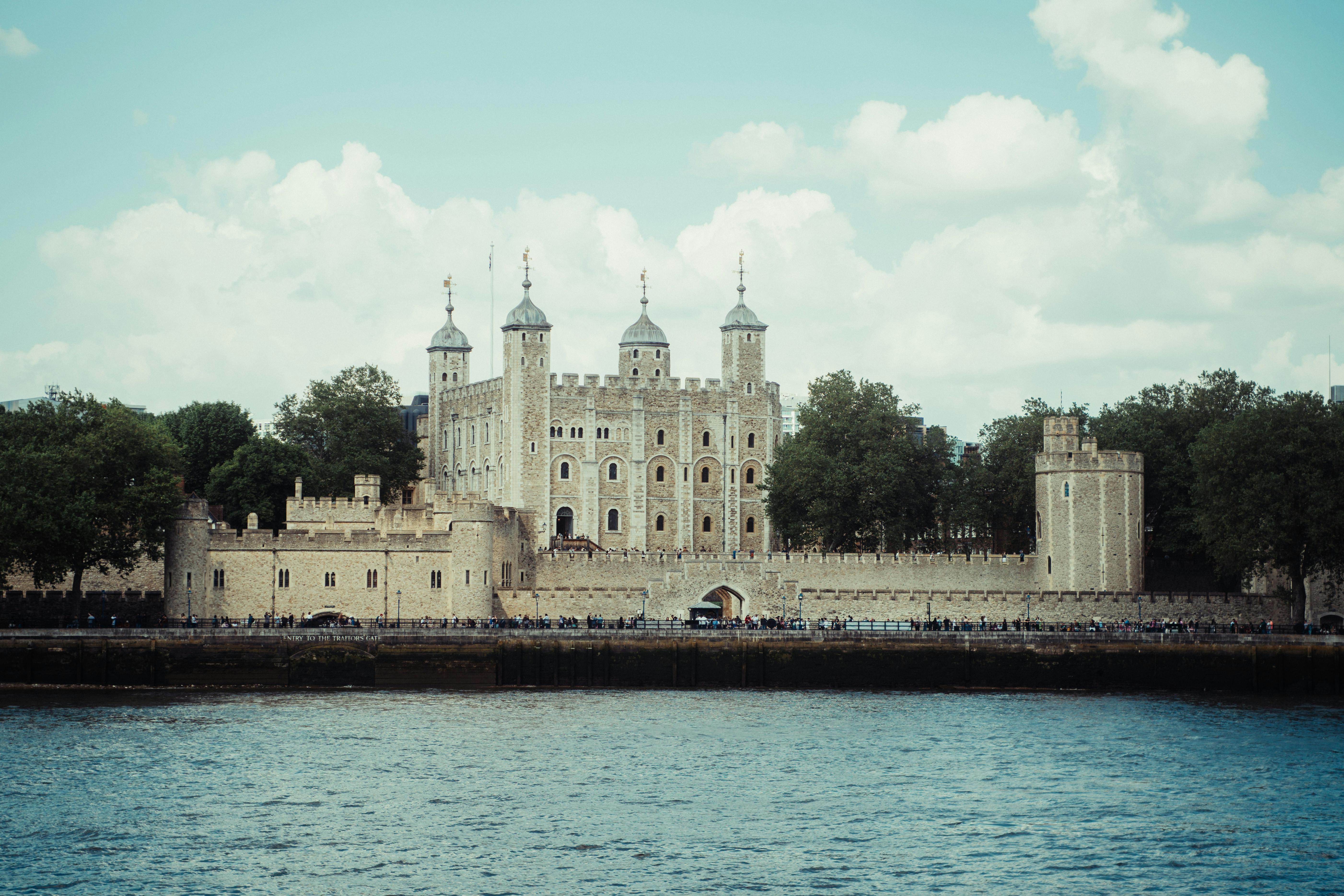
Get an early start at the Tower of London. This is one of those attractions where arriving close to opening time makes a real difference. You can explore the grounds, see the Crown Jewels, and join a Yeoman Warder tour before the largest crowds gather around the narrow paths and exhibition rooms.
Allow at least two to three hours for the Tower of London. Wear comfortable shoes, since the complex has uneven surfaces, stairs, and plenty of walking. Afterward, walk to Tower Bridge, one of London’s most recognizable views and a much more enjoyable sight when you approach it on foot. You can cross the bridge for free, or visit the Tower Bridge exhibition for views from the high-level walkways.
Continue into the City of London, the historic financial district. As you walk, you can see the dome of St. Paul’s Cathedral rising in the distance. Stop at St. Dunstan in the East, a ruined church garden tucked between office buildings. For lunch, choose between Leadenhall Market, Borough Market, or the stalls at Spitalfields.
Start with the Tower of London, then build the rest of the day around the river and the City. The earlier you arrive, the more enjoyable the morning will feel.
Finish with a relaxed evening rather than another major attraction. Walk along the Thames toward London Bridge, stop for a drink in a historic pub, or have dinner near the river. If you still have energy, the area around St. Katharine Docks offers a calmer waterfront setting close to Tower Bridge.
Day 3: The British Museum, Bloomsbury, and Covent Garden
Spend the morning at the British Museum, but don’t try to see everything. The British Museum is much easier to enjoy when you treat it like a menu instead of a challenge. Choose your priorities, take a café break, and leave before your brain turns every ancient statue into the same ancient statue.
Afterward, wander through Bloomsbury. Russell Square, leafy university streets, independent bookshops, and small cafés give the neighborhood a slower feel than nearby Oxford Street. Continue toward Seven Dials, then find Neal’s Yard, a colorful courtyard filled with small businesses and restaurants.
In the afternoon, consider a classic Afternoon Tea to enjoy a proper break before heading toward Covent Garden Market. Depending on your mood, add a food market or a small-group walking experience. An afternoon tea works well when you want to sit down and relax.
Save the evening for a West End show. London theater tickets can sell out for popular productions, particularly during busy travel periods, so reserve in advance. Choose a show near Covent Garden, Soho, or Leicester Square to keep the evening simple. Have dinner before the curtain or book a late table afterward, but don’t plan both as if London restaurants operate on your personal schedule.

Day 4: Kensington Museums, Hyde Park, and Notting Hill
Kensington is home to several excellent museums, but visiting all of them in one day is a fast route to museum fatigue. Focus your morning in South Kensington. The Victoria and Albert Museum is a strong pick for design, fashion, and decorative arts. The Natural History Museum is popular for its architecture, while the Science Museum works well for anyone who likes hands-on exhibits.
When you’ve had enough culture, head outside to Hyde Park and Kensington Gardens. Walk beside the Serpentine, visit the Italian Gardens, or find a bench near Kensington Palace. The parks give you space to slow down without traveling to another part of the city.
In the afternoon, continue to Notting Hill and Portobello Road Market. Browse vintage stalls, independent shops, bookstores, and cafés. The neighborhood is most lively on market days, but it can still be enjoyable outside the busiest hours. Keep your expectations realistic, though. It isn’t a movie set waiting to provide a personal soundtrack and a perfectly timed romantic encounter.
End with a relaxed dinner in Kensington, Notting Hill, or nearby Bayswater. Choose somewhere you can sit for a while. After several full sightseeing days, a memorable meal beats another rushed attraction.
Day 5: Borough Market, Southwark, and Greenwich
Begin at Borough Market with breakfast or lunch, depending on your schedule. Come hungry, because choosing just one thing here is unnecessarily optimistic. From the market, follow the South Bank toward Shakespeare’s Globe. Continue to Tate Modern, where the huge former power station makes an impressive setting for modern and contemporary art.
Cross the Millennium Bridge for views toward St. Paul’s Cathedral. This is one of the best short walks in central London, especially when the river is busy with boats. At this point, choose your pace. A full South Bank day can include the Globe, Tate Modern, and the Millennium Bridge.
You can also make Greenwich an optional longer outing. The journey takes time, but the neighborhood feels different from central London. Visit the Royal Observatory for the historic Prime Meridian, walk through Greenwich Park for city views, and see the Cutty Sark near the waterfront. A riverboat route makes the journey more memorable, although it takes longer than the Tube or train.
Greenwich works best when you give it most of the afternoon. Don’t try to squeeze in every South Bank attraction first unless you enjoy watching the clock more than the scenery. Choose either a full riverside day or Greenwich, then finish with dinner near your hotel or along the Thames.
Day 6: Hampstead Heath, Camden, and London’s Local Side
Spend the morning exploring Hampstead village, where narrow streets, old pubs, independent shops, and cafés create a completely different mood from Westminster. Have breakfast or coffee before walking into Hampstead Heath.
The Heath is one of London’s best places for a break from buildings and traffic. Walk through the green space toward Parliament Hill, where you can see the London skyline on a clear day. The paths are uneven in places, and the area includes hills, so wear shoes you can trust. Your cute city sneakers may not be emotionally prepared for mud.
After the Heath, head to Camden Market for lunch and browsing. The market has street food, clothing, souvenirs, vintage finds, and plenty of people watching. It can get very busy, especially later in the day, so visit earlier if crowds drain your battery.
Camden is optional, not a required pilgrimage. If markets aren’t your thing, walk along Regent’s Canal, continue to Primrose Hill, or return to Hampstead for bookshops and a slower lunch. You could also book a small-group food tour if you want someone else to handle the eating decisions, which is honestly a valuable service.
Keep this day flexible. Hampstead and Camden can easily fill a full day, but you don’t need to force both. Choose the version that matches your energy, and end with dinner in Camden, Hampstead, or Primrose Hill. This is a good night for a casual pub meal or a small local restaurant rather than another formal reservation across town. If you want to keep exploring the city’s quieter corners, this guide to non-touristy things to do in London collects neighborhood haunts, small museums, and independent shops worth a detour.
Day 7: Choose a Day Trip or Slow Final Day
Your final day should match your energy, the weather, and how much London you still want to see. You have two good options, and neither requires pretending you enjoy waking up at 5 a.m. on vacation.
Option one is a day trip from London. You might consider a visit to Stonehenge and Bath, a tour of Oxford and Cambridge, or even the Harry Potter Studio Tour. Choosing a guided day trip from London allows you to see more of the UK countryside without worrying about train schedules or local logistics. Check the route before booking any timed attraction.
Option two is a slow final London day. Start with brunch in a neighborhood you haven’t explored, then visit Borough Market or Maltby Street Market for one last food stop. Add a final museum, spend time shopping, or take a sunset walk beside the Thames.
You could revisit a favorite area instead of chasing a new sight. Maybe you want one more wander through Covent Garden, a relaxed afternoon in Marylebone, or a final browse through bookstores and independent shops. The best final day often has fewer reservations and more room for the place you unexpectedly loved.
Finish with a memorable dinner. Choose somewhere near your hotel or along the river so you’re not racing across London with luggage, shopping bags, and the last scraps of your patience. Pick a day trip when the weather and your energy are good. Choose the slower London option when you want one more unhurried day in the city before heading home.
Make the Itinerary Fit Your Travel Style
A seven-day London itinerary should give you a framework, not a daily attendance sheet. Swap activities based on the forecast, your interests, and how much energy your feet have left. London has enough options that you can change the plan without losing the logic of each day.
What to Do in London When It Rains
London rain does not have to ruin your plans, but it does make standing outside Buckingham Palace for 45 minutes feel like a questionable life choice. Move indoor attractions into the day that already keeps you nearby, rather than crossing the city just to escape a shower.
The British Museum fits easily with Bloomsbury, Covent Garden, or a West End evening. If you are already spending time in Kensington, choose the Victoria and Albert Museum, the Natural History Museum, or the Science Museum. Art lovers can swap in the National Gallery while exploring Trafalgar Square and the West End. History fans may prefer the Churchill War Rooms, which work well with a Westminster day.
Covered markets are another good rainy-day option. Browse Covent Garden Market, Leadenhall Market, or Spitalfields Market, then stop for lunch somewhere nearby. You may still walk between buildings, but you won’t spend the whole afternoon soggy and annoyed.
For a slower afternoon, book an afternoon tea or take a cooking class. Both give you a warm place to sit while turning bad weather into part of the experience. A West End show also makes a perfect rainy evening, especially if you pair it with dinner in Covent Garden, Soho, or Chinatown.
Use this simple swap system:
- Move the British Museum onto a rainy morning instead of a park or neighborhood walk.
- Replace Hyde Park and Notting Hill with another Kensington museum.
- Shift a Thames walk to the evening if the forecast clears.
- Keep ticketed attractions on the same side of London whenever possible.
Rainy-day planning works best when you swap by neighborhood, not by attraction. Your shoes will appreciate the strategy.
Easy Swaps for Food Lovers, Museum Fans, and Budget Travelers
Your 7-day London itinerary can lean heavily toward food without becoming a seven-day parade of expensive restaurants. Add Borough Market to a South Bank day, explore Chinatown before a West End show, or spend an afternoon around Spitalfields and Brick Lane. A food tour is useful if you want local context with your snacks, while a traditional pub meal gives you a more relaxed way to try British classics.
Museum fans have plenty of room to adjust the schedule. Replace the British Museum with the National Gallery for European painting, the Victoria and Albert Museum for design and fashion, or the Churchill War Rooms for modern British history. The Wallace Collection in Marylebone is another good choice when you want an impressive collection without committing an entire day to a huge museum.
Traveling on a tighter budget? London gives you plenty to do without another admission fee. Walk across Westminster Bridge, explore St. James’s Park, follow the South Bank, browse Borough Market without buying a full meal, or admire Tower Bridge and St. Paul’s Cathedral from outside. Markets, parks, public squares, and neighborhood walks can fill an afternoon surprisingly well.
You can also use free museums as the anchor for a lower-cost day, then spend your money on one memorable meal or evening activity. That balance usually feels better than paying for several attractions simply because they were on the original itinerary.
How Much This London Week May Cost
London trip costs can vary wildly depending on your hotel, dining habits, and interest in ticketed attractions. Build your budget around the categories below, then keep a little extra money aside for the experience you didn’t plan six months ago but suddenly cannot stop thinking about.
- Lodging: This will usually take the largest share, especially if you want a central neighborhood and a private room. Prices can change by season, weekends, and major events.
- Transportation: Plan for daily Tube or bus journeys, plus airport travel and any train tickets for a day trip. Contactless payment keeps this simple.
- Attractions: Include Westminster Abbey, the Tower of London, the London Eye, special exhibitions, and any guided tours. Free museums can lower this part of the budget.
- Meals: London works for almost every budget. Mix markets, cafés, pubs, casual restaurants, and one or two special meals instead of booking expensive dinners every night.
- Shows: West End tickets can become a major extra, particularly for popular productions or better seats.
- Day trips: Add train fares, attraction entry, meals, and possible tour costs if you visit Windsor, Oxford, or Greenwich.
Book hotels, popular shows, timed-entry attractions, and day trips early when your dates are fixed. Advance booking can protect you from sold-out time slots and sometimes gives you better prices. At the same time, don’t pre-book every meal and activity. A little flexibility lets you take advantage of free galleries, unexpected markets, and the occasional long pub lunch.
Set aside extra funds for one special experience, whether that’s afternoon tea, a food tour, a river cruise, or an excellent final-night dinner. That cushion keeps a surprise expense from turning your carefully planned London week into a spreadsheet with feelings.
London Itinerary FAQs for First-Time Visitors
Planning your first London trip can feel like trying to organize a vacation inside a very large, very old puzzle. These answers cover the questions that usually come up when you are deciding where to stay, what to book, and how much sightseeing your feet can realistically handle.
Is a 7-day London itinerary long enough?
Yes, a 7-day London itinerary provides plenty of time for a strong first visit to the city. You will have enough time to see major landmarks, explore several neighborhoods, visit a few museums, browse markets, and still leave room for a day trip or a slower local day.
The key is accepting that you will not see everything. London has enough attractions to keep you busy for several months, so trying to conquer the entire city in one week will only leave you tired and slightly hostile toward public transportation.
This itinerary groups nearby sights together, which helps reduce travel time. You can spend one day around Westminster, another near the Tower of London, and another exploring Kensington museums without bouncing between opposite sides of the city.
A week also gives you flexibility. If rain changes your plans, a museum can replace a park. If you fall in love with Hampstead or South Bank, you can spend longer there instead of racing toward the next attraction.
What is the best area for first-time visitors to stay in London?
For most first-time visitors, Covent Garden, Westminster, or the area around South Bank makes the best overall base. These neighborhoods are central, well connected, and close to many major attractions. You will spend less time commuting and more time actually seeing London, which is a pretty good trade.
Covent Garden is best if you want restaurants, theaters, shopping, and easy walks to the West End. Westminster suits travelers who care most about royal landmarks, Parliament, and historic sights. South Bank is a strong choice for river views, cultural attractions, and a slightly more relaxed atmosphere.
Other neighborhoods may fit your travel style better:
- Bloomsbury works well for museum lovers, families, and travelers who prefer leafy streets and quieter evenings.
- Shoreditch is a better match for food, nightlife, markets, vintage shopping, and a more creative local feel.
- Kensington suits travelers who want excellent museums, attractive streets, and easy access to Hyde Park.
- Marylebone is ideal if you prefer independent shops, polished restaurants, and a village-like atmosphere near central London.
Choose a neighborhood based on your evenings as well as your sightseeing plans. A hotel near the landmarks is helpful, but returning to an area you actually enjoy makes a long day feel much better.
Should I buy a London pass or book attractions separately?
It depends on how many paid London attractions you plan to visit and how much you value convenience. A sightseeing pass may make sense if you want to visit several included attractions within a short period. Booking separately can be cheaper when your itinerary includes free museums, parks, markets, and only a few ticketed sights.
Before buying a pass, compare its price with the individual admission costs for the attractions you genuinely want to visit. Don’t count every included attraction just because it appears on the list. You still need the time and energy to visit each one, and nobody wants to speed-run London like it is a particularly historic escape room.
Check the current list of included attractions, opening times, reservation rules, and any attractions that require an extra booking. A pass is most useful when it matches your actual schedule, not an imaginary version of your trip where you never stop for lunch.
Do I need to book London attractions in advance?
For the busiest attractions, booking ahead is a smart move. Timed entry is especially useful for the Tower of London, popular West End shows, major viewpoints, special exhibitions, and guided tours with limited group sizes.
Book attractions in advance when your travel dates are fixed, particularly during school breaks, summer, and weekends. Popular shows and limited-time exhibitions can sell out, while waiting until the day of your visit may leave you with an inconvenient time or no entry at all.
Free museums do not always require tickets, but some offer or require timed reservations during busy periods. Check the official website before visiting the British Museum, Natural History Museum, Victoria and Albert Museum, or Science Museum. Free admission does not always mean you can walk straight in whenever you feel like it.
You can leave some activities flexible, including neighborhood walks, parks, markets, and riverside strolls. Reserve the experiences that control your schedule, then keep the rest open for weather changes and unexpected discoveries.
Is this itinerary too busy for first-time visitors?
The itinerary includes full sightseeing days, but it is not designed for you to complete every single suggestion. Grouping attractions by neighborhood cuts down on travel time, which leaves more room for breaks, meals, and the occasional moment of staring blankly at a Tube map.
Choose one or two headline sights per day and treat the other activities as optional. For example, the Tower of London and Tower Bridge can anchor one day, while nearby markets and riverside walks fill the remaining time. You do not need to add five more attractions just because they happen to be nearby.
Take breaks before you desperately need one. Stop for coffee, sit in a park, have a long lunch, or return to your hotel for an hour. Your trip will feel much better if you enjoy three sights than if you drag yourself through seven while thinking about your bed.
Use the optional swaps when your energy, interests, or the weather changes. A seven-day London trip should have structure, but it should also leave enough breathing room for the places you discover along the way.
Conclusion
This 7-day London itinerary is designed to help first-time visitors experience the city’s famous landmarks without turning a dream vacation into an exhausting scavenger hunt. Throughout the week, you will see the best of Westminster Abbey, the Tower of London, and Big Ben, all while leaving ample time to explore local markets, world-class museums, green parks, and charming neighborhoods like Hampstead Heath.
To get the most out of your trip, book high-demand attractions, West End shows, and day trips well in advance, then keep the rest of your schedule flexible. Leave room for a long lunch, a spontaneous detour, or an unexpected neighborhood you fall in love with. A successful first visit to London is not about checking off every single sight on your list. Instead, it is about enjoying the city enough that you already want to start planning your next trip back for the sights you missed this time around.
