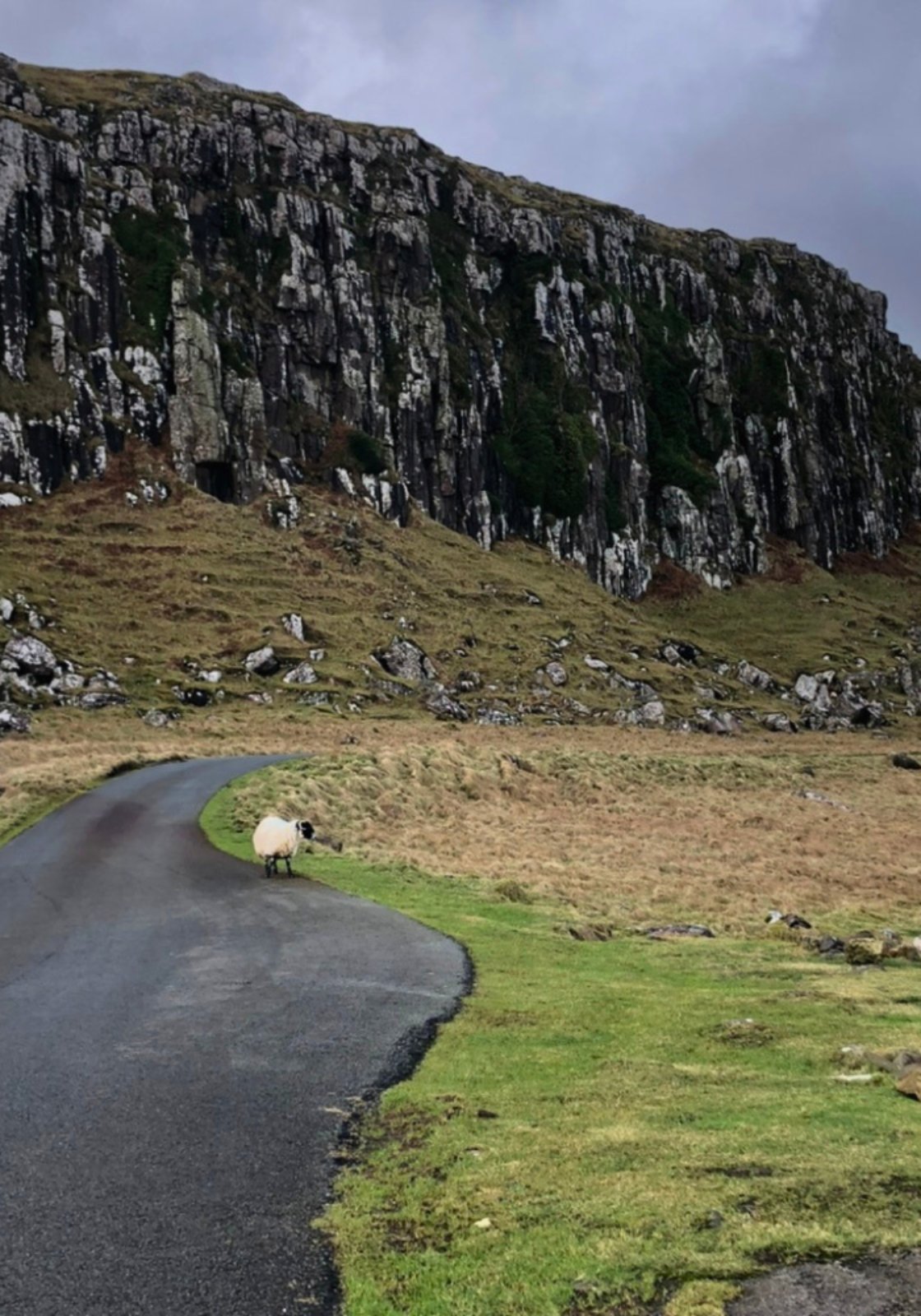


The Scottish Highlands look like the sort of place that requires a rental car, a brave attitude, and a playlist full of dramatic bagpipe music. Luckily, you can experience the Scottish Highlands without a car by combining scenic trains, Citylink coaches, local buses, guided trips, and a healthy amount of walking, which makes car-free travel both entirely feasible and remarkably rewarding.
I’d base this first-timer travel itinerary in Fort William and Inverness instead of changing hotels every night. That gives you mountain scenery, Loch Ness, the West Highland Line, and a few quieter corners without spending your entire holiday staring at public transport timetables.
Key Takeaways
- Use Fort William and Inverness as your two main bases for exploring the region by public transport.
- Make sure to complete your advance booking for longer train and coach journeys, especially in summer.
- Take the West Highland Line to Mallaig for one of Scotland’s best rail journeys, and consider a ferry onward to the Isle of Skye.
- Use local buses to reach destinations like Glen Nevis, Loch Ness, Dores, Foyers, and nearby villages.
- Keep your schedule flexible because Highland weather enjoys making its own itinerary.
Where to Stay in the Scottish Highlands Without a Car
Choosing the right bases matters more here than squeezing in one extra attraction when doing your travel planning. A beautiful hotel in the middle of nowhere is less charming when you are standing beside a closed bus stop with a suitcase and wet socks instead of enjoying the Scottish Highlands without a car.
For this route, I would spend three nights in Fort William and two nights in Inverness. The main town gives you easy access to the West Highland Line, Glen Nevis, Mallaig, and onward ferry links to the Isle of Skye, as well as the surrounding lochs. Inverness works well for Loch Ness, historic castles, riverside walks, and onward train connections.
Fort William
Fort William is the most useful base for the western part of this itinerary. The train station, bus station, shops, and restaurants are all close to the town center, which makes life much easier when you skip getting a rental car.
Nevis Bank Inn is a good choice if you want a comfortable stay close to town, with a quieter setting near the River Nevis. It is practical for early train departures and local buses toward Glen Nevis.
Alexandra Hotel sits near the railway station and works well for first-time visitors who want everything within an easy walk. The location is the main selling point, especially when you are hauling luggage after a long journey.
Inverness
Inverness is compact, walkable, and packed with places to eat after a day outside. Staying near the river or train station keeps your final days simple.
Glen Mhor Hotel is a handy riverside option, close to the city center and Inverness Castle viewpoint. I like this area for evening walks because you can leave the restaurant and be beside the River Ness within minutes.
Kingsmills Hotel is a calmer pick set slightly away from the busiest streets. It is a good fit if you want more space and do not mind a longer walk into the center.
Book accommodation early if you are traveling during school holidays or festival periods. Central lodging is limited, and the most convenient rooms disappear before the remote cottages do.
How to Travel Around the Highlands by Train and Bus
The simplest way to plan the Scottish Highlands without a car is to think in corridors, not scattered attractions, while relying on a dependable public transport network rather than navigating stressful single-track roads.
The main rail routes for this itinerary are the West Highland Line between Glasgow, Fort William, and Mallaig, plus the Highland Main Line and other services connecting Inverness with central Scotland. The ScotRail route map is useful when you are working out which places connect directly, especially if you want to experience scenic rail travel and scenic rail views along the way.
Long-distance trains and coaches are worth booking in advance. Local buses are usually easier, but check the route on the morning of travel because rural services may run only a few times per day. Traveline Scotland is useful for combining buses, trains, and ferries in one journey.
A reliable CityLink bus covers places that do not have train stations, including parts of Loch Ness, Skye, Glencoe, and the west coast. Book those online when possible, then arrive at the bus station about 15 minutes early. Highland bus stands are not always as obvious as you would hope. Sometimes they are clear. Sometimes they feel like a small scavenger hunt designed by someone who hates tourists.
The biggest mistake is building a day around the last bus instead of the first one. Check the return journey before you leave your accommodation.
Allow extra time for weather and delays. A ScotRail train may be on schedule while your local bus is crawling behind a delivery truck on a narrow road, so always verify the train schedule and the wider bus network before you set out. Keep your plans loose enough that one late connection does not ruin the whole day.
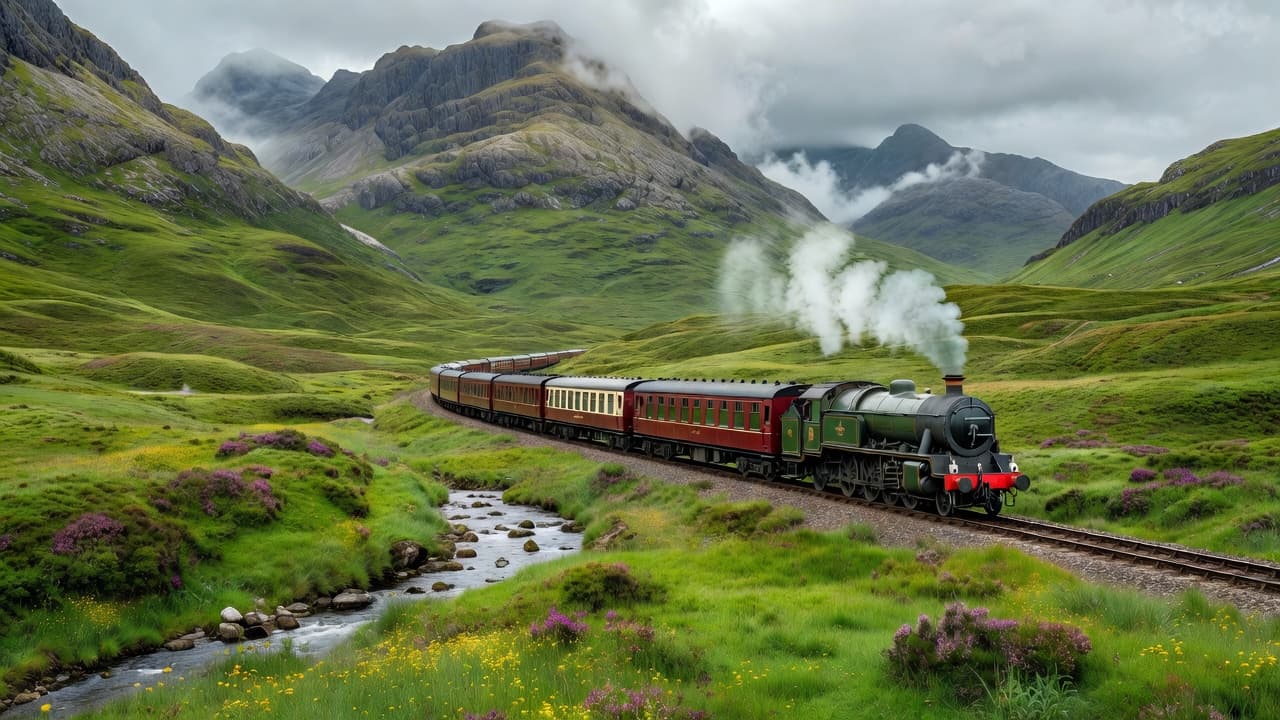
Photo by Archie McNicol
Day 1: Take the West Highland Line to Fort William
Start in Glasgow, where you can catch the ScotRail train from Glasgow Queen Street station, or consider booking the Caledonian Sleeper if you are traveling overnight from London. Many travelers like to explore Edinburgh Castle before heading west, but your main adventure begins as you set off for the Highlands. The train journey to Fort William takes close to four hours, but it doesn’t feel like a boring transfer. Be sure to book your train tickets well in advance, and the train passes Loch Lomond, Rannoch Moor, and some of the most beautiful scenery in Scotland.
Grab breakfast before boarding. Train cafés are useful in a pinch, but I wouldn’t make one your main meal unless you enjoy paying premium prices for a sandwich that has seen things.
Once you leave the suburbs, watch the landscape change. Loch Lomond gives way to hills, open moorland, and rugged valleys. Keep your camera nearby, but don’t spend the entire ride viewing Scotland through a six-inch screen.
Arrive in Fort William around midday or early afternoon, depending on your departure. Walk from the station into the center, leave your bags at your accommodation, and have lunch around High Street or the waterfront.
Spend the afternoon exploring Fort William at an easy pace. The West End area has shops, cafés, and views toward Loch Linnhe. You can also walk along the waterfront toward the ruins of Old Inverlochy Castle, although the route is less polished than the town center.
For the evening, take a short riverside walk in Glen Nevis if you still have energy. Otherwise, stay in town for dinner. The first day is about arriving without turning yourself into a damp, exhausted pretzel.
Day 2: Glen Nevis and Steall Falls
Day two is your mountain day, but you don’t need to climb Ben Nevis to earn the scenery. Relying on the local bus network and public transport can take you from Fort William toward Glen Nevis without any trouble. Bus 42 is commonly used for the Glen Nevis Lower Falls area, though you should confirm the current stop and timetable before leaving.
From the lower falls area, follow the walking route toward Steall Falls. The full walk is roughly 3.5 miles from this section, depending on where you begin. The trail leads through a narrow wooded glen with waterfalls, cliffs, and mountain views that look suspiciously like a movie set.
Wear shoes with decent grip. The path can be muddy and slippery after rain, and Highland rain does not need an invitation. Pack water, snacks, and a waterproof layer even if the morning looks sunny.
Steall Falls is one of the best scenic walks near Fort William because it feels properly wild without requiring technical hiking skills. If you want to explore more remote areas without managing public transit schedules on your own, you can also look into booking a guided day tour. Skipping a rental car makes this active leg feel more immersive, and the route has uneven ground and some exposed sections, so take your time rather than treating it like a race.
Return to Fort William in the afternoon for a late lunch and a warm drink. If the weather has turned, spend time at the West Highland Museum, which covers local history and Jacobite culture. It’s a small museum, so you won’t lose an entire afternoon if you decide your brain has reached its historical limit.
Finish with dinner in town or a relaxed walk along Loch Linnhe. If the clouds clear, Ben Nevis can appear behind Fort William. If it doesn’t, you’ll have to trust that it’s still there, hiding like a giant introvert.
Day 3: Scenic Train to Mallaig
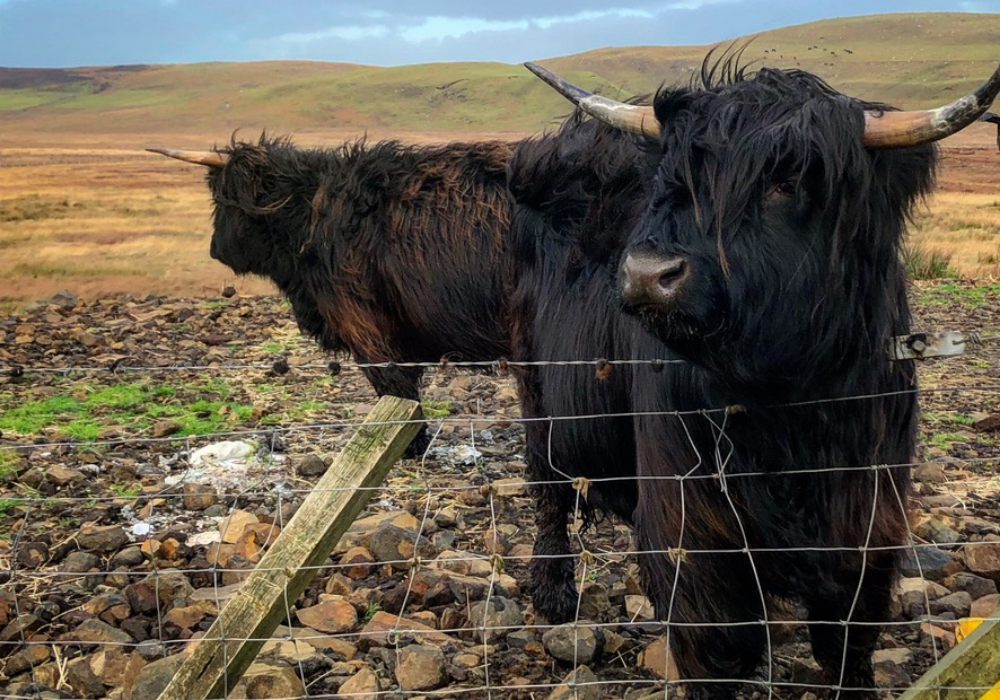
The scenic rail trip from Fort William to Mallaig serves as the star of this itinerary. This unforgettable train journey takes around 90 minutes each way and crosses the Glenfinnan Viaduct, the famous curved railway bridge associated with the Harry Potter films.
You can ride the regular ScotRail train, which is usually the more straightforward option for independent travelers. It is smart to book your train tickets well in advance, especially during the peak summer months. The ScotRail Highlands travel guide has route ideas, journey details, and planning information for Highland rail trips.
Try to sit on the side with the best outward views when you can, but don’t stress about claiming the perfect seat. The scenery changes constantly, and the train windows are large enough that most passengers get plenty of memorable views.
Mallaig is a small fishing village at the end of the line, making it a fantastic day trip without a car. You can watch the ferry crossing depart for the Isle of Skye if you spend a few minutes down by the pier. Walk around the harbor, look across toward the islands, and have lunch with seafood if that’s your thing. The village is compact, so you can explore it without needing transport once you arrive.
If you want a longer walk, follow one of the local coastal paths, but check your return train first. This isn’t the place to wander off confidently and then realize the next departure is in four hours. Although, honestly, Mallaig is not the worst place to be stranded.
Return to Fort William in the late afternoon. You’ll have time for dinner and perhaps a final walk along the waterfront. If you’re interested in the Glenfinnan area itself, check train stopping patterns carefully because not every service is equally convenient for a short visit.
Day 4: Travel to Inverness Through the Highlands
Today, take a CityLink bus from Fort William to Inverness. This leg of your public transport journey passes through some spectacular Highland scenery, and the coach can reach places that are awkward to visit by train while offering a relaxing alternative to driving sections of the North Coast 500.
Leave Fort William in the morning so you have time in Inverness later. The journey usually takes a few hours, depending on the service and traffic. Keep a snack in your day bag because rural transport connections don’t always come with a convenient café attached.
After arriving in Inverness, leave your luggage at your hotel if possible. Then walk through the city center toward the Inverness Castle viewpoint to check out local historic castles from a distance. The castle itself isn’t always open as a traditional visitor attraction, but the elevated viewpoint gives you a good look across the River Ness and the city.
Walk beside the river toward the Ness Islands. The route is peaceful, green, and easy to follow. Inverness feels more relaxed than Edinburgh or Glasgow, and that is exactly what you want after several days of mountain roads and unpredictable weather.
Stop at Leakey’s Bookshop, browse the Victorian Market, and choose a restaurant near the center for dinner. If you want a short evening outing, take a walk along the riverside after dark. The city is small enough that you can enjoy it without trying to squeeze in another major attraction.
A slower day here is not wasted time. Travel days count as an essential part of your broader travel itinerary, even when Instagram would prefer you to pretend otherwise.
Day 5: Loch Ness, Urquhart Castle, and a Flexible Final Day
Your final day focuses on Loch Ness. You have two good ways to plan it, depending on whether you want classic sightseeing or a quieter day outdoors.
For the famous version, travel toward Drumnadrochit and Urquhart Castle by bus or coach to see Loch Ness up close. The castle sits beside the water and offers wide lake views, ruined stone walls, and plenty of room to imagine medieval life before central heating ruined everyone’s sense of adventure.
Arrive early if you can. The castle is one of the area’s most popular stops, and the atmosphere is better before the busiest part of the day. Give yourself time to explore the ruins instead of rushing through for one photo and a gift-shop magnet.
For a quieter option, take the number 16 bus from Inverness toward Dores, Inverfarigaig, or Foyers. Dores gives you a lakeside setting close to the city, while Foyers is known for its waterfall and woodland walks. Check the return timetable before setting off because services are less frequent than city buses, or consider hiring a local taxi if you need more reliable transit.
You can also combine a Loch Ness cruise with a castle visit through a guided day tour or a shorter day trip. This is the easiest choice if you don’t want to coordinate multiple bus legs, though you can also hire a private driver for a more customized schedule. I’d choose the guided option if the weather is mixed or if this is your only chance to see the loch.
Return to Inverness for your final evening. Walk along the river, have dinner near the center, and raise a glass to making it through five days without driving on the left, navigating a single-track road, or reversing into a sheep.
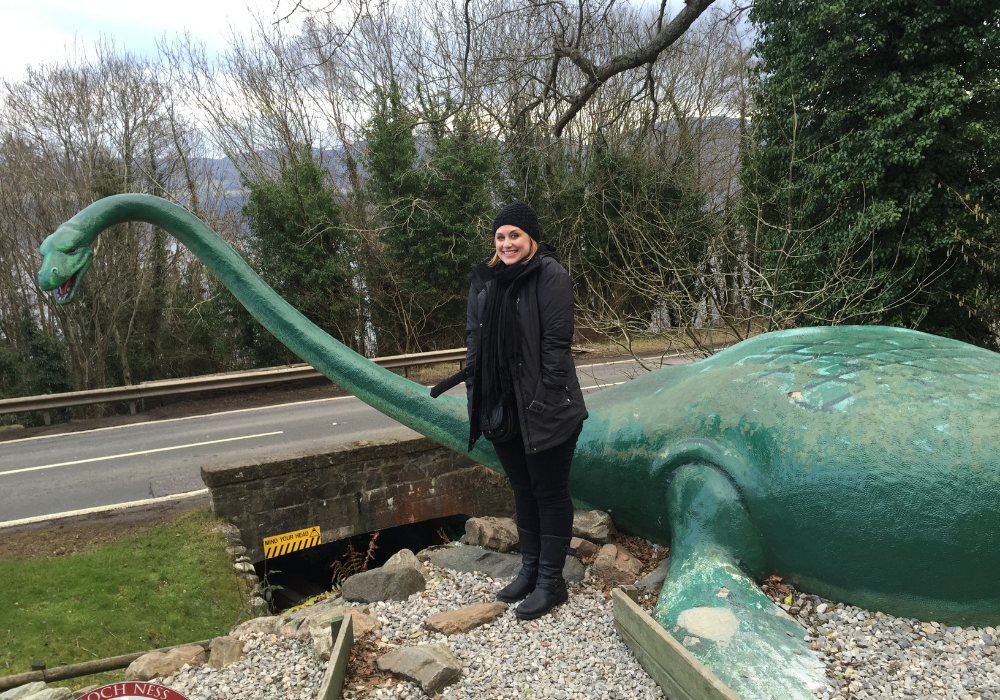
Practical Tips for a Car-Free Highland Trip
Pack light. You’ll handle your own luggage on trains, buses, pavements, and possibly a muddy path or two. A backpack or small rolling case is much easier than a giant suitcase with the turning radius of a city bus.
Bring waterproof shoes, a rain jacket, warm layers, and a portable charger. Weather changes quickly, especially around Fort William and the west coast. Sunglasses are still useful, but don’t let them trick you into leaving the waterproof jacket behind.
Car-free travel requires smart advance booking, especially for peak season itineraries. Secure your train tickets and other reservations early as part of your comprehensive travel planning.
Book the following ahead when your dates are fixed:
- Fort William and Inverness accommodation
- Long-distance trains between Glasgow, Fort William, and Mallaig
- Citylink coach journeys
- Any guided Loch Ness or Glencoe excursion
- Popular seasonal train experiences
Use the public transport network by relying on trains for scenic long-distance journeys, coaches for cross-country routes, and local buses for nearby villages. That combination works better than trying to force every stop into a rail-only itinerary. With proper advance booking, you can even secure spots on overnight services like the Caledonian Sleeper.
If you’re arriving through Edinburgh, where you might visit Edinburgh Castle before heading north, take the train or tram into the city before continuing your journey. If you’re coming through Glasgow Airport, connect into Glasgow first, then begin the Highland route from Queen Street station.
For more ideas beyond the main cities, I’d save this guide to Scotland’s hidden gems. It includes places such as Glencoe, the Isle of Skye, and the Cairngorms National Park, although several require more time than this five-day plan allows.
Optional Swaps for a Different Pace
If you want more mountain scenery, replace the Loch Ness day with a guided day tour through Glencoe. You can also consider a guided day tour to the Isle of Skye, or explore remote areas and navigate single-track roads with a private driver. You will see dramatic valleys and viewpoints without worrying about sparse bus connections.
If you prefer history, spend more time in Inverness and add Culloden Battlefield. The site is outside the city, so check the bus route and allow several hours rather than squeezing it into a rushed morning. You might even plan a separate city break to see Edinburgh Castle. Just as visitors often combine a trip to Edinburgh Castle with a wider Scottish holiday, you can easily pair your Highland travels with a journey along the North Coast 500 or a hike through the Cairngorms National Park.
Rainy weather doesn’t have to wreck the trip. Swap Steall Falls for the West Highland Museum, spend longer in Mallaig cafés, or use a guided tour with transport included. The Highlands look moody in bad weather, which is a polite way of saying they photograph better than they feel.
For a slower itinerary, skip the Mallaig day trip and spend the day in Fort William. Walk the waterfront, visit the museum, take a short Glen Nevis outing, and enjoy not having to sprint for a train.
Frequently Asked Questions
Can you easily visit the Scottish Highlands without a car?
Yes, it is entirely possible and remarkably rewarding to explore the region using a combination of scenic trains, coaches, local buses, and a healthy amount of walking. By basing yourself in well-connected towns, you can access major highlights without needing a rental car or having to navigate stressful single-track roads.
Do I need to book my trains and buses in advance?
Securing your tickets through advance booking is strongly recommended for longer-distance train journeys and any CityLink bus, especially during the busy summer months. While local buses are typically paid for on the day, planning your connections ahead of time prevents you from getting stranded by infrequent rural timetables.
What are the best places to use as a base for this itinerary?
Fort William and Inverness serve as the two ideal bases for a car-free five-day trip. Fort William places you close to the West Highland Line, Glen Nevis, and Mallaig, while Inverness offers convenient access to Loch Ness, historic sights, and onward connections toward the Isle of Skye.
Conclusion
Experiencing the Scottish Highlands without a car is completely possible when you choose sensible bases and accept that rural transport follows its own rhythm. Embracing car-free travel through reliable public transport removes the stress of navigating unfamiliar roads or booking an expensive rental car, proving that a well-planned travel itinerary on trains and buses can take you just as far as a private driver. Fort William gives you the mountains and West Highland Line, while Inverness adds Loch Ness, city comforts, and easier onward connections before you eventually return south for a day trip to see sights like Edinburgh Castle or take a local taxi to nearby viewpoints.
My strongest advice is to leave breathing room between the highlights. The best parts of this trip may be the train window, a quiet stretch beside the river, or an unexpected view between bus stops. You don’t need a car to see the Highlands, but you do need patience, waterproof shoes, and a willingness to let Scotland set the pace.
