

If you are looking for the ultimate Liverpool music guide, you have come to the right place. Liverpool does not do background music. It spills out of cellar bars, echoes around old warehouses, and waits for you on a street corner with a giant painted Liver Bird.
For a first visit, the Liverpool music scene can feel overwhelming. As a UNESCO City of Music, the city offers so much to explore that it can be hard to know where to start. The Beatles are everywhere, Mathew Street gets rowdy, and there are enough venues to make you wish you had packed a second pair of dancing shoes. The trick is mixing the obvious stops with the places that feel a little less like a gift shop or a souvenir magnet.
This guide maps out a first timer friendly city break with murals, live music, Beatles history, good bases, and zero need to sprint across town like you are late for soundcheck.
Key Takeaways
- Stay in the city center for easy access to the Cavern Club, or choose accommodation near the docks and the Baltic Triangle for proximity to independent venues and waterfront walks.
- Dedicate one full day to exploring The Beatles, but avoid spending every waking moment in total Beatlemania mode so you can enjoy the rest of the city.
- The Baltic Triangle is the local sweet spot for discovering bold street murals, unique independent bars, and late-night live gigs.
- While central Liverpool is highly walkable, plan to use a taxi or local bus when traveling to sites like Strawberry Field, Penny Lane, and Woolton.
- Secure your accommodation well in advance if your visit coincides with a major show at the M&S Bank Arena or the Liverpool Philharmonic Hall.
Where to Stay for a Music-Focused Liverpool Trip
Liverpool’s center is compact, so your hotel choice is more about the mood you want than geography. If you are planning your trip around upcoming gigs or specific music events, staying central is usually the best strategy to keep your commute short. Want to tumble out of a show and be home in ten minutes? Stay central. Want dock views and a slightly calmer evening? Choose Kings Dock or Albert Dock.
City Center: Best for Cavern Club Nights and Easy Sightseeing
The city center puts you close to Mathew Street, Lime Street Station, Ropewalks, and the theaters around Hope Street. It is the easiest choice if this is your first Liverpool trip and you are only here for a few nights.
Hard Days Night Hotel is the obvious pick for committed Beatles fans. It leans into the theme without asking you to sleep inside a yellow submarine, thankfully. You are close to the Cavern Quarter, the waterfront, and plenty of late-night options, so it works beautifully for a short, music-heavy stay.
Radisson RED Liverpool is near Lime Street and suits travelers who want a modern base with theatrical flair. The O2 Academy Liverpool, the Philharmonic, Hope Street bars, and city-center venues are all within easy reach. It is a solid choice for couples, friends, or solo travelers who want to be near the action without sleeping directly above it.
If your trip has a big concert in the plans, check the walk back to your hotel before booking. Liverpool is friendly and compact, but rain at 11:30 p.m. has a way of making a 20-minute stroll feel spiritually personal.
Kings Dock and Albert Dock: Best for Waterfront Walks and Arena Shows
The dockside area feels more open than the city center. You will have the waterfront, museums, converted warehouses, and M&S Bank Arena close by. It is a great fit if your itinerary includes a show, a Beatles museum visit, and a slower morning with coffee by the Mersey.
Hampton by Hilton Liverpool City Centre sits near Kings Dock and M&S Bank Arena. It is practical, comfortable, and a smart pick when you want an uncomplicated base near concert crowds. You can walk to Albert Dock, Liverpool ONE, and the Baltic Triangle without burning a hole through your taxi budget.
ibis Liverpool Centre Albert Dock is a good value-minded option right by the dock. It is less about fancy extras and more about location, which is sometimes exactly the move. Stay here if waterfront mornings matter to you more than a dramatic lobby entrance.
The Baltic Triangle is only a short walk away, but the docks are calmer after dark. That is a plus for travelers who want live music nearby, then sleep that does not come with an unsolicited 2 a.m. karaoke encore.
Get Your Bearings Before You Chase the Music
Liverpool has a few key pockets that make planning much easier. Think of the city center as your base layer. Mathew Street and the Cavern Quarter are north of Liverpool ONE. The waterfront and Albert Dock sit to the west. Ropewalks and the Baltic Triangle spread south and east, packed with bars, creative spaces, murals, and a high concentration of music venues.
Hope Street is another useful thread. It connects the Anglican Cathedral and Metropolitan Cathedral, with the Philharmonic Hall and Everyman Theatre nearby. It is handsome, a little more grown-up, and ideal for a pre-show drink that does not involve sticky floors.
You can cover the core sights on foot. Expect around four to six miles on a full sightseeing day, especially if you add the docks and the Baltic Triangle. Wear shoes with actual support. Liverpool’s cobbles are cute in photos but less cute when your feet stage a protest.
For farther Beatles landmarks, use a taxi, rideshare, or local bus. Penny Lane, Strawberry Field, and Woolton are not sensible add-ons after you have already zigzagged around the waterfront all day.
The best Liverpool itinerary has a little structure, then leaves room for a pub you wandered into because you heard a bass line through the door.
Day One: The Beatles Without Turning Into a Walking Souvenir Shop
Morning:
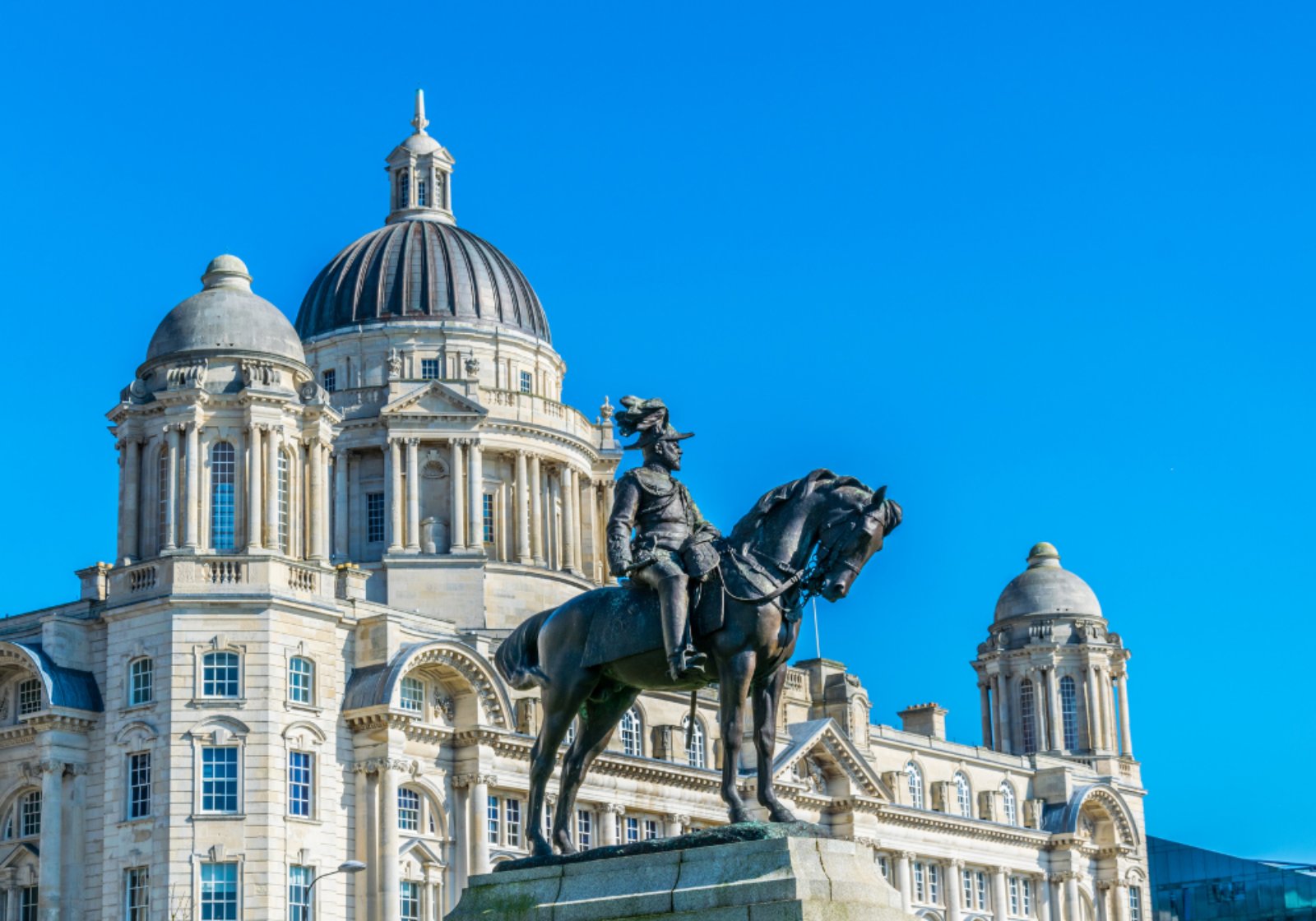
Start at Pier Head with the iconic statues of The Beatles. The bronze figures face the waterfront near the Royal Liver Building, and yes, you should take the photo. Everyone does. You are not above it.
Then walk through the business district toward Mathew Street. The Cavern Quarter is busy, loud, and proudly over-the-top. Pop into the Cavern Club to see the famous brick arches and hear live music that pays homage to the original Mersey Beat sound. It is touristy. It is also part of the Liverpool story, so don’t act too cool for it.
The trick is timing. Go earlier in the day when you can look around without being wedged between matching bachelor party T-shirts. Return later if you want the proper energy, a pint, and a band working through songs everyone knows by heart.
For lunch, head toward Castle Street or Bold Street rather than settling for the first menu within ten feet of Mathew Street. Liverpool has excellent independent food options, and you don’t need to eat sad chips just because Paul McCartney once walked nearby.
Afternoon/Evening:
Spend the afternoon at Royal Albert Dock. The Beatles Story is the most complete museum stop for first-timers who want the band’s story in one place. Give it time, but don’t stack every Beatles exhibit into a single afternoon. One proper museum visit lands better than three rushed ones.
Walk back along the waterfront afterward. The view across the Mersey clears your head after all the screaming fan footage, and you can stop at the Museum of Liverpool if you want a broader picture of the city. Liverpool made the Beatles, sure, but it is also a port city, football city, art city, and place with an opinion about basically everything.
For dinner and a nightcap, try the Jacaranda on Slater Street. The band played there during the early 60s as they were first finding their footing, but it still feels like a living music spot rather than a shrine behind velvet rope. If you want another gig, check listings for smaller rooms around Ropewalks before you go.
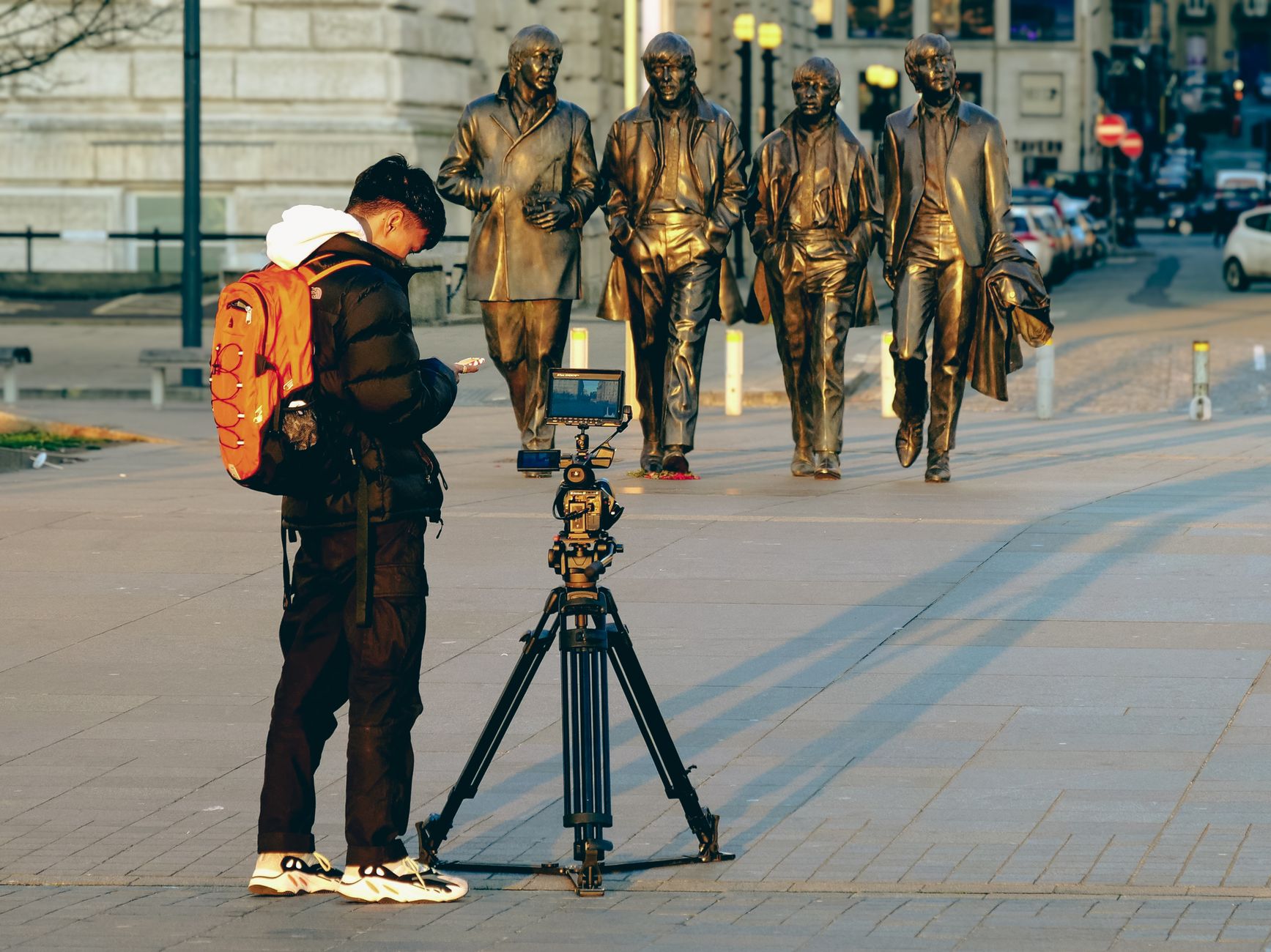
Photo by Mike Norris
Day Two: Penny Lane, Strawberry Field and a Proper Dose of Beatles History
Morning:
Day two is for the places that make fans of The Beatles start humming without realizing it. Keep this day focused on the south Liverpool landmarks, rather than trying to squeeze them between city center attractions.
Start with Penny Lane. The famous street sign is a photo stop, but the surrounding area is the better reason to come. Look for details mentioned in the song, grab coffee, and enjoy a neighborhood that feels more ordinary than mythic. That contrast is part of the magic. These were not movie sets; they were real streets where four lads grew up.
Next, make your way to Strawberry Field in Woolton. The red gates are instantly recognizable, but the site has more depth than a quick selfie. The visitor experience unpacks John Lennon’s connection to the former Salvation Army children’s home, and the gardens offer a breather from central Liverpool’s buzz. Strawberry Field also shares a helpful Beatles fan route through Liverpool if you want to add St Peter’s Church Hall and other meaningful stops.
Woolton Village is a nice place for lunch. It is quieter than the center, with village pubs, cafes, and enough space to sit down for a minute. This is your reminder that not every meal needs to happen under neon lights.
Afternoon/Evening:
If you have the energy, visit St Peter’s Church Hall, where John Lennon met Paul McCartney in 1957. It is not flashy, and that is the point. You are standing near one of pop music’s most important meetings, and the setting is a modest churchyard in a residential neighborhood. It is a little wild, when you think about it.
Return to the center before evening. A taxi makes the most sense if you have done several stops, especially after a long day on your feet. Save your energy for dinner around Hope Street or Bold Street.
The Liverpool Philharmonic Hall is worth a look even if there is not a concert on your dates. While it is the prestigious home of the Liverpool Philharmonic Orchestra, the exterior of the building is striking on its own. The Philharmonic Dining Rooms nearby are famous for their gloriously ornate interior. Go in for a drink, look up, and pretend you are sophisticated enough to have strong opinions about Art Deco.
Day Three: Murals, Baltic Triangle Bars and Liverpool’s Live Scene
Morning:
Save the Baltic Triangle for your third day. It is where Liverpool gets messy, colorful, and fun in the best way. Former warehouses now hold studios, bars, breweries, food spots, and music venues. The neighborhood changes often, which keeps it from feeling frozen in amber.
Start near Jamaica Street and wander slowly. The murals are not arranged like a museum, so this is a better area for aimless-looking exploration. You will find large-scale work tucked beside car parks, loading bays, and brick walls that would be boring anywhere else. Keep an eye out for Paul Curtis’s huge Liver Bird mural. It is one of those pieces that makes you stop mid-sentence.
Don’t try to tick off every painted wall. Street art changes. Pieces get covered, new work appears, and a mural that looked perfect online two years ago may now be a blank wall with a delivery van parked in front of it. That is the nature of street art.
For lunch, stay in the Baltic Triangle or walk toward Bold Street. The route takes you through Ropewalks, where independent shops, cafes, and various record shops make it easy to lose an hour. If you collect vinyl, you must visit Rough Trade Liverpool or seek out a hidden independent record shop, so be sure to leave a little room in your suitcase.
Afternoon/Evening:
After lunch, walk toward the Georgian Quarter and Hope Street. The route gives you a nice visual reset after all the warehouse grit. Liverpool Cathedral is huge, dramatic, and worth seeing even if churches are not normally your thing. Nearby, the Metropolitan Cathedral looks like it landed from another planet. The city has range.
For your final night, pick a venue based on the underground music scene or the genre you actually like. Camp and Furnace hosts bigger club nights, while the Baltic Triangle is also home to District Liverpool and Hangar 34 for high-energy events. The Jacaranda and the newer Jacaranda Baltic offer intimate gigs, while the Arts Club and the O2 Academy Liverpool frequently host touring acts. For those seeking a larger scale, the M&S Bank Arena is the place for major touring acts, while the Philharmonic brings concerts and classical music to Hope Street.
Check each venue’s calendar or a local grassroots gig guide before your trip. Liverpool’s best night out is rarely a generic recommendation. It is the random local bands, DJ sets, or comedy nights that happen to line up with your dates. Keep in mind that during events like International Beatleweek, the city is particularly busy, so planning your live music experience well in advance is essential.
A Few Booking Tips That Will Save You Some Drama
Liverpool works best when you plan the anchors and leave the rest loose. Book your hotel, any major music events, concert tickets, and Beatles attractions you care about most. Then leave the pub stops, mural routes, and record store browsing open for spontaneous discovery.
Avoid building an itinerary that has you at Albert Dock in the morning, Penny Lane at lunch, the Baltic Triangle at 2 p.m., and the cathedral at 3 p.m. You can do it, technically. You can also eat cereal for dinner. Neither is the best choice.
If rain rolls in, swap a mural wander for the Beatles Story, Museum of Liverpool, Open Eye Gallery, FACT, or a long lunch. Liverpool knows how to handle bad weather. There is always a pub, gallery, cinema, or music room nearby.
If you are extending your trip beyond Merseyside, this list of must-visit UK destinations can help you build a wider route without turning your vacation into a transportation spreadsheet.
Frequently Asked Questions
Is Liverpool good for first-time visitors who love music?
Yes. The city center is easy to navigate, there are music venues at every scale, and the iconic Beatles sites provide a clear starting point for any trip. You can easily build a full weekend itinerary focused on music history and live performances without needing a car.
Do I need a Beatles tour in Liverpool?
You do not strictly need one if you are comfortable using taxis, buses, and a self-guided route. However, a guided tour is incredibly helpful if you want to visit Penny Lane, Strawberry Field, Woolton, and the famous childhood homes all in one efficient day.
Where should I go for live music besides the Cavern Club?
Look around the Baltic Triangle, Ropewalks, Hope Street, and the Georgian Quarter. The Jacaranda, Camp and Furnace, Liverpool Philharmonic Hall, Kazimier Garden, and M&S Bank Arena all host distinct types of performances. Be sure to check online listings for upcoming gigs before you arrive, as these venues frequently host everything from local indie bands to major touring acts.
Can I see Liverpool’s murals in one afternoon?
You can certainly see plenty of street art in the Baltic Triangle and Ropewalks in a single afternoon. Try not to treat it like a rigid scavenger hunt, though. Wander, look up, take side streets, and accept that some of the best pieces are the ones you discover by accident.
Final Thoughts
Liverpool provides those iconic singalong moments, only to surprise you with a vibrant mural tucked away on a side street or a talented band playing in a tiny room. While Beatles history is a significant draw for any visitor, it is certainly not the entire story.
Make sure you set aside time for the famous landmarks, but do not be afraid to follow the music to somewhere less obvious. That is where you will discover why the Liverpool music scene remains so essential to the soul of the city.
