


Lisbon looks small on a map, but once you encounter the famous seven hills of Lisbon, you quickly realize the city is deceptively challenging to navigate. The good news is that 4 days in Lisbon provides enough time to see the classics, eat absurd amounts of pastry, and still enjoy the slower pockets that make a trip feel restorative rather than rushed. If you want to experience the city at a comfortable, relaxed pace, the best time to visit Lisbon is during the shoulder seasons of spring or fall when the weather is mild and the crowds are thinner.
If you are a first-time visitor, the trick is simple: group neighborhoods smartly, stop pretending you will enjoy backtracking, and leave a little room for long lunches and scenic detours. Here is a four-day plan that hits the must-sees, avoids unnecessary chaos, and gives your legs a fighting chance.
Key Takeaways
- Prioritize Location: Staying in central, walkable areas like Chiado minimizes transit time, while avoiding hilly or noisy neighborhoods ensures you get a good night’s rest.
- Smart Neighborhood Grouping: Tackle your itinerary by region to avoid backtracking, focusing on one area per day to keep the pace restorative rather than rushed.
- Embrace the Pace: Don’t try to see every monument; prioritize a few major sights and leave time for drifting, long lunches, and evening sunset viewpoints.
- Navigate Wisely: Use the metro for longer distances and prepare for significant walking on steep hills, opting for taxis or local transport if your legs need a break from the cobblestones.
Pick the right base before the cobblestones humble you
Where to stay for a short Lisbon trip
For most first-timers, Chiado is the easiest answer. It is central, walkable, full of cafes, and well placed for both old Lisbon and the riverfront.
If you want one low-stress choice, stay in Chiado.
Baixa or Rossio is also great if you want quick metro access and a straight shot to the main sights. The Principe Real district feels calmer and more local, with pretty streets and better breathing room. The Alfama neighborhood is pure postcard energy, but hauling luggage uphill there is a character-building exercise nobody asked for. If you are a light sleeper, skip Bairro Alto as a hotel base because the Bairro Alto nightlife can be noisy; instead, go there only for the evening.
A few hotel picks that are worth a look: Lisboa Pessoa Hotel and Casa das Janelas com Vista in Chiado, Hotel da Baixa and My Story Hotel Rossio for a central transport-friendly stay, Memmo Príncipe Real and Casa do Príncipe for a quieter boutique feel, and Memmo Alfama or Santiago de Alfama if you want old-city charm and do not mind the hills.
Getting around without melting down
Lisbon is walkable, but not in a cute little stroll all day way. It is a “wow, that street is vertical” kind of walkable. Expect about 5 to 7 miles a day if you follow this plan.
Public transportation is reliable and efficient. Using the metro for longer jumps is smart, then walk the neighborhoods once you are there. Trams and funiculars are handy, but they can be packed. The Tram 28 route is fun, sure, but it is not a secret. Go early if it is on your list. If you are staying in the Alfama neighborhood or the Principe Real district, a taxi from the airport is often worth it, because cobblestones and spinner bags are sworn enemies. If you plan to move around the city frequently, consider purchasing the Lisboa Card to save money on fares and gain entry into various attractions.
Day 1: Start with Baixa, Chiado, and Alfama
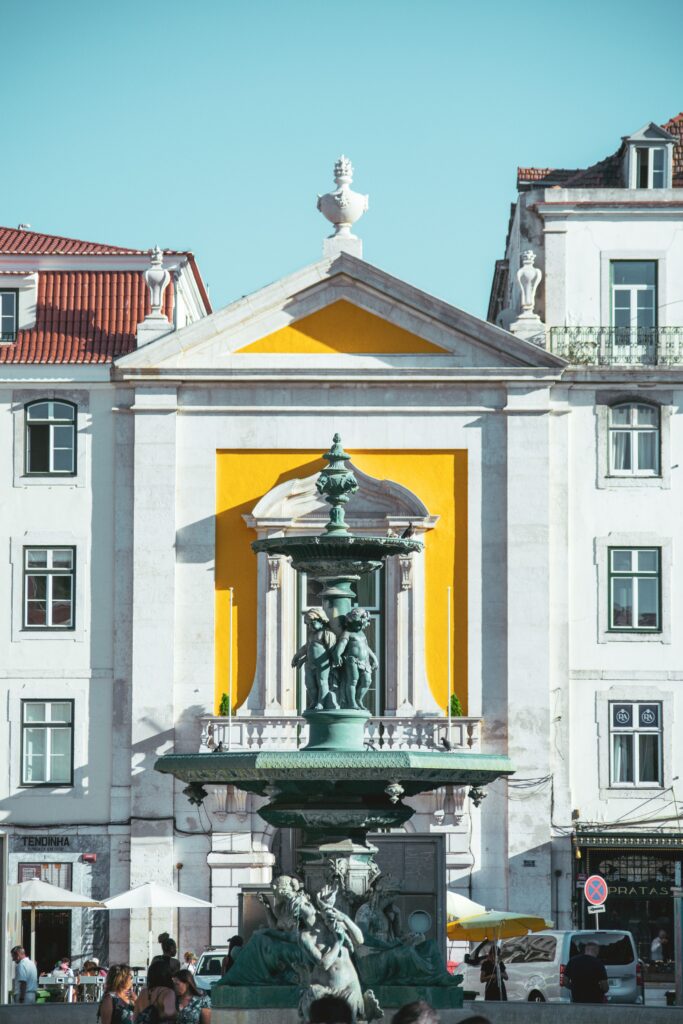
Begin your trip at Praça do Comércio, then wander north through Baixa. The grid layout here feels almost suspiciously orderly compared with the rest of Lisbon. Walk Rua Augusta, peek at the Santa Justa area, and keep moving toward Chiado for coffee and a slower breakfast.
Chiado is ideal for easing into the city. You can enjoy some Chiado shopping, browse independent bookshops, and adjust to Lisbon’s rhythm before the hills really show up. If you want a viewpoint without a huge commitment, head toward the Carmo Convent ruins and take in the rooftops from above.
After lunch, shift to the Alfama neighborhood. This is where Lisbon gets gloriously tangled. Wander past the cathedral, take your time around Miradouro de Santa Luzia and Portas do Sol, then head up to São Jorge Castle. Book your tickets for São Jorge Castle ahead of time if you hate lines, which, to be fair, everybody should.
Even recent traveler discussions about a four-day Lisbon plan keep circling back to the Alfama neighborhood and the castle, and they are right. This part of the city is classic for a reason.
Keep dinner in this district and make the first night easy. A casual plate of fresh seafood and a glass of vinho verde works perfectly. If you want something a little more special, book a small venue that hosts live Fado music performances. Don’t try to cram in nightlife tonight. Day one is for atmosphere, not overachieving.
Day 2: Do Belem properly, then keep the evening light
Take the tram or train west to the Belém district in the morning. Go early. This is one of the busiest parts of Lisbon, and it is better before everyone else has had their second coffee. Start at Jerónimos Monastery, then reward yourself with a stop at Pasteis de Belém to try an authentic Pastel de nata. Yes, the line for these famous Portuguese custard tarts is long. Yes, it is still worth it.
From there, stroll along the Tagus River toward the Monument to the Discoveries and the Tower of Belém. The Tower of Belém is photogenic, but the line to enter can eat up more time than it is worth. If you only have four days, admiring it from the outside is a perfectly sane choice.
For an under-the-radar afternoon, pick Ajuda National Palace or the National Coach Museum. Most first-time itineraries go hard on the obvious stops in the Belém district and ignore these, which is a shame. Ajuda feels grand without the same crowds, and the coach museum is far more fun than it sounds. It features gilded royal carriages, but with a unique twist.
On the way back, you can stop at LX Factory if your energy is still good. It has shops, cafes, and a creative industrial vibe that breaks up the historic heavy sightseeing. If not, head straight back and keep the evening simple in Cais do Sodre or Chiado. A sunset walk by the river and dinner nearby is plenty. Lisbon does not need you to max out every hour.
Day 3: Slow down in Principe Real, Estrela, and Campo de Ourique
This is the day that makes the trip feel less like a checklist. Start in the Principe Real district, which features leafy streets, smart boutiques, and a calmer mood than the city center. Grab breakfast, wander through the garden, and poke around the Embaixada building if you are in the mood for design stores housed in a gorgeous old mansion.
Then walk toward Estrela. The Basilica da Estrela is one of Lisbon’s prettiest churches, and Jardim da Estrela is a perfect place to sit for a while and pretend you are moving to Portugal. This whole stretch is better at a slow pace, so do not rush it.
For lunch, skip the crowded tourist hubs like the famous Time Out Market and go to Mercado de Campo de Ourique instead. It feels more neighborhood-driven and authentic. You can graze, split a few things, and keep the afternoon flexible.
If you want one creative stop later, head to LX Factory now instead of on Day 2. If you already visited, spend the extra time in Madragoa or Santos, which are great for aimless wandering and cafe hopping. That is the beauty of having four days in Lisbon. You can leave a little white space in your schedule.
End the night with a viewpoint and a drink. Miradouro de Sao Pedro de Alcantara is easy and social, while Santa Catarina feels a bit more relaxed. Head into Bairro Alto nightlife after sunset if you want the buzz, but be sure to sleep somewhere else unless you enjoy midnight street noise with your vacation.
Day 4: Finish with Graça, tiles, and one last scenic dinner
Make the final day lighter. Start in Graça, one of those neighborhoods that still feels lived-in even with the visitors rolling through. If it is Tuesday or Saturday, browse Feira da Ladra, which is Lisbon’s famous flea market. It is messy, random, and fun in the best way. Nearby, the National Pantheon is an easy add-on for your morning walk.
From there, head to Miradouro da Senhora do Monte for one of the best views in the city. By day four, you have earned a bench, a coffee, and a little dramatic staring over the terracotta roofs.
For the afternoon, choose one final cultural stop. The National Tile Museum is the best pick if you want something distinctly Lisbon without another huge blockbuster crowd. If you would rather have a more polished museum and garden combo, go to the Calouste Gulbenkian Museum instead. Both work well when you want substance but not stress.
Keep your final dinner somewhere scenic or cozy, rather than overly ambitious. The Alfama neighborhood is lovely for a last night, especially if you want to cap off your trip by catching a performance of Fado music in a cozy tavern. Alternatively, Chiado works well if you prefer a polished meal and an easy walk home. If you are the kind of person who likes a movie-ending moment, make time for one last sunset viewpoint before dinner. Lisbon is good at those, almost to a fault.
Easy swaps if the weather turns or your pace changes
If the weather turns rainy, swap the outdoor viewpoints for the Tile Museum, the Calouste Gulbenkian Museum, or a long lunch that transitions into an afternoon of coffee and conversation. Lisbon is excellent at indoor culture and leisurely dining, so a bit of rain rarely ruins the experience.
If you prefer a slower pace, skip the queues at both the monastery and the castle. Instead, choose one major monument per day and spend the remaining time wandering through local neighborhoods, which is where the city truly reveals its charm.
For those who want to venture further, a Sintra day trip is a popular alternative. You can catch trains for a Sintra day trip directly from Rossio Train Station to reach the colorful Pena Palace or the mystical gardens of Quinta da Regaleira. If you decide to take a Sintra day trip, just be prepared for a full day of walking.
Alternatively, beach lovers can head to the Cascais coastal town for a refreshing change of pace. It is the perfect spot to enjoy fresh seafood by the ocean. If you are a fan of culinary exploration, add a market stop, a pastry crawl, or a guided tasting in Mouraria to your itinerary. If you prefer museum hopping, fold in a visit to MAAT or dedicate more time to the historical sites in Belem.
Frequently Asked Questions
Is 4 days in Lisbon enough time to see everything?
Four days is an ideal amount of time to cover the city’s main highlights without feeling overwhelmed. It allows you to visit essential districts like Belém and Alfama while still leaving enough room to enjoy the city’s slower, more local rhythm.
Should I buy the Lisboa Card for my trip?
If you plan on visiting multiple museums and using public transport frequently, the Lisboa Card is a great value. It covers entry to top attractions and includes unlimited travel, helping you save money while keeping your transit simple.
Is Lisbon really as hilly as people say?
Yes, the city is famous for its seven hills and steep, uneven cobblestone streets. While the city is very walkable, you should be prepared for significant daily elevation changes and wear comfortable, supportive shoes to avoid fatigue.
Final thoughts
Lisbon is at its best when you mix a few big sights with room to drift. That is the whole point of spending 4 days in Lisbon instead of trying to speed run the city in a single weekend. By giving yourself this extra time, you can truly absorb the atmosphere without feeling the need to rush.
Stay central, group neighborhoods together logically, and leave plenty of time for scenic views, warm pastries, and the occasional unplanned turn down a tiled side street. Whether you are catching a sunset or getting lost in the winding alleys of the Alfama neighborhood, these spontaneous moments are usually where the city makes the strongest impression.
