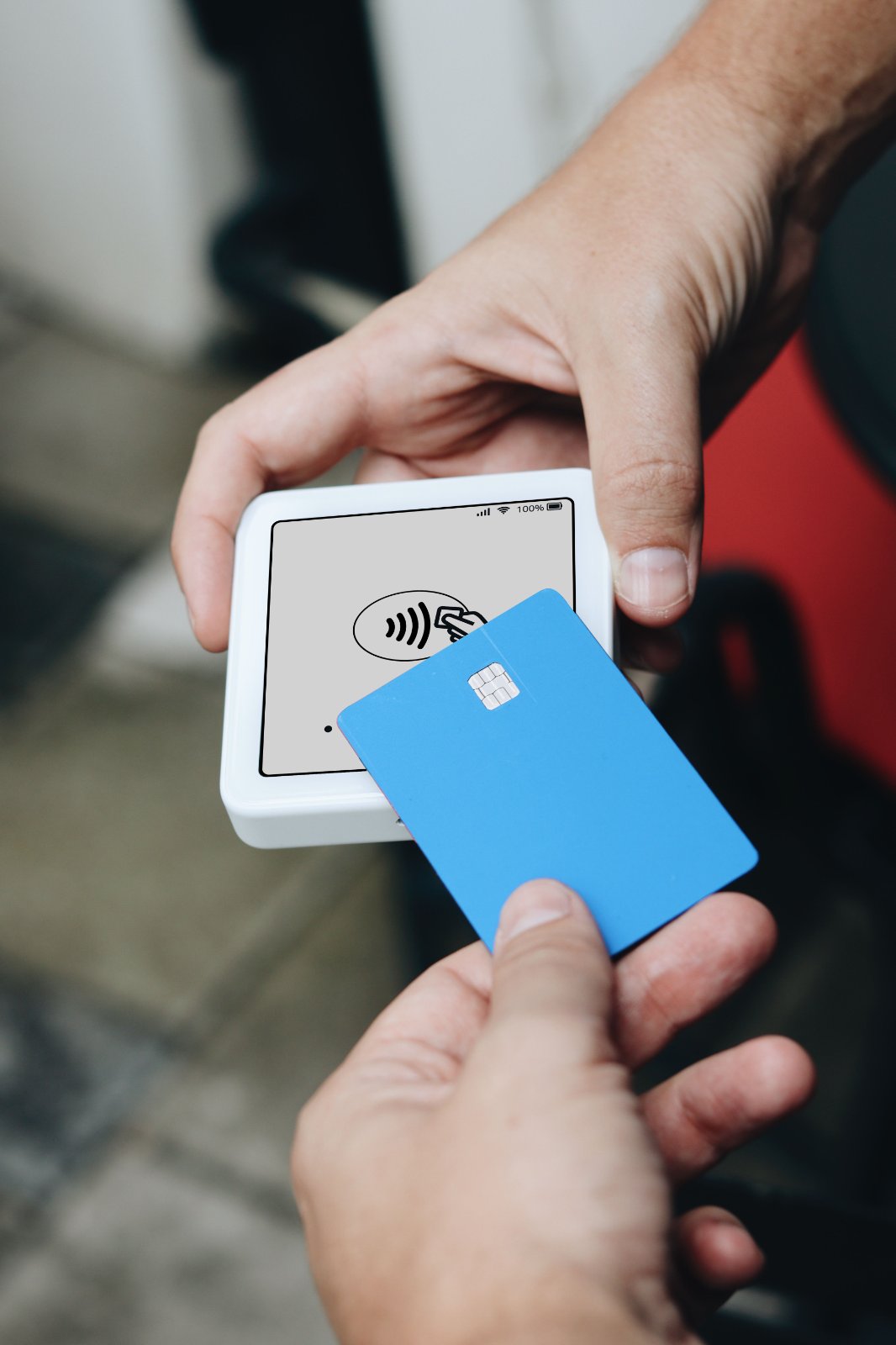


Nothing humbles a traveler faster than landing in London with 2% battery, no data, and a card terminal asking for a PIN you haven’t used since 2017. While an effective packing list usually focuses on clothes and toiletries, these UK travel essentials for your electronics and finances are just as important to ensure your trip runs smoothly.
The good news is that the practical side of visiting the UK is easy once you know a few ground rules. This guide covers the power plugs, mobile data, and payment habits that often catch international visitors off guard. Sort these items before takeoff, and you can spend your first hour finding a pub instead of hunting for Wi-Fi like it is 2009.
Key Takeaways
- The UK uses the three-pronged Type G plug and 230V electricity, so most North American visitors need a travel adapter.
- A travel adapter only changes the plug shape. It does not change voltage, which matters for hair tools and older appliances.
- An eSIM is usually the easiest way to get data before you land, but your phone must be unlocked and eSIM-compatible.
- Cards, Apple Pay, and Google Wallet work almost everywhere. Carry a little cash for small independent spots and backup.
- Always choose to pay in pounds sterling, not your home currency, when a terminal offers both options.
- Pack comfortable walking shoes to handle the miles of pavement you will cover while exploring historic city streets.
- Use layering clothes to manage the UK’s famously unpredictable weather, as temperatures can shift throughout the day.
- Secure travel insurance before you depart to ensure peace of mind and protection against unexpected trip disruptions.
UK Plug Sockets: The Big, Chunky Three-Pin Situation
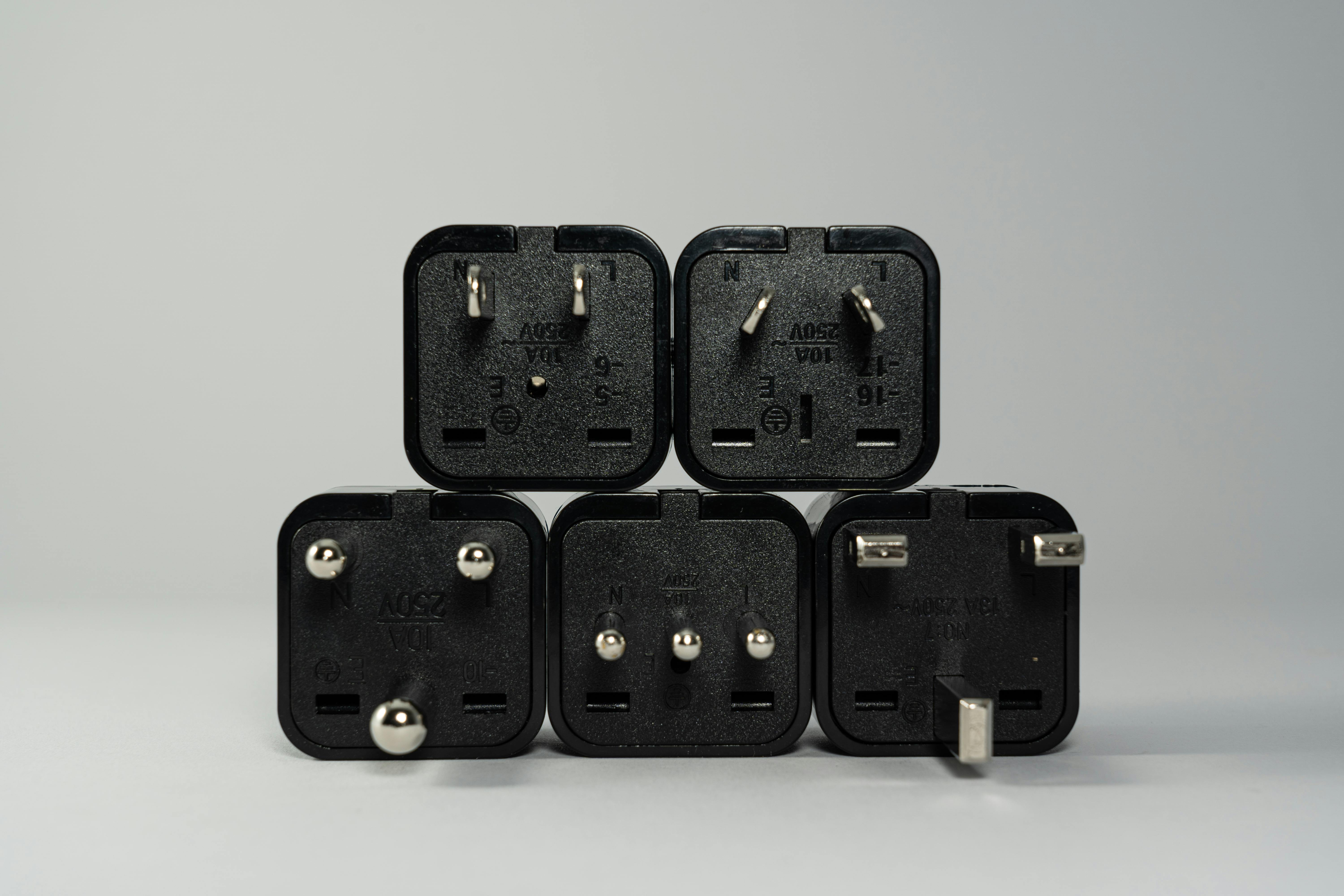
The UK uses Type G sockets, which feature three rectangular prongs arranged in a triangular pattern. England, Scotland, Wales, and Northern Ireland all share this exact setup. If you are arriving from the US, Canada, most of Europe, Australia, or almost anywhere else, your native plug will not fit. It is a minor inconvenience that is easily solvable with the right gear.
Electrical power in the UK operates at 230V and 50Hz. Because North American outlets typically supply 120V, this is not a technical difference you can simply ignore. Plugging a non-compatible appliance into the wall can turn it into an expensive science experiment.
Fortunately, most modern electronics are dual-voltage. Take a moment to check the fine print on your laptop charger, phone charger, camera charger, or USB power brick. If the label indicates an input range such as 100-240V and 50/60Hz, you are safe to use the device. In these cases, you only need to purchase a reliable travel adapter to bridge the connection to the Type G socket.
For a final check before you start packing, consult the Electrical Safety First guidance on UK plugs. It covers voltage requirements and essential safety basics without being overly technical.
Keep in mind that the socket itself may have a small switch located beside it. In many hotels and holiday rentals, you must flick that switch to the on position before your device will receive power. If your electronics are not charging, look for the switch before assuming your equipment is faulty. The outlet may simply be turned off.
Additionally, UK sockets are designed with built-in safety shutters. The top earth pin acts as a key to open these shutters when you insert a standard three-pin plug. Do not attempt to force a two-pin charger into the socket. If it does not fit, it is not a malfunction; the outlet is designed to prevent unsafe connections.
Pack your plug adapter in your carry-on bag rather than your checked suitcase. Your phone will likely need a charge long before your luggage is available at baggage claim.
Travel Adapters vs. Voltage Converters
A travel adapter is a shape-shifter. It allows your plug to physically fit into a UK wall socket, but it does not change the electrical supply. These are two different things, no matter how similar the packaging might look at 6 a.m. in an airport shop.
For phones, tablets, laptops, cameras, smartwatches, and most USB chargers, a simple Type G travel adapter is all you need. Many travelers find that investing in a high-quality universal adapter is the best move. These gadgets often feature multiple USB-C and USB-A ports, allowing you to power your phone, power bank, and headphones from a single wall socket without a tangle of individual charging bricks.
A voltage converter is only necessary for single-voltage appliances designed for 110V or 120V power. The usual culprits include:
- Hair dryers, curling wands, straighteners, and hot brushes
- Older electric shavers and toothbrush chargers
- Small travel steamers
- Anything labeled 110V or 120V only
Honestly, leave the hair dryer at home if your hotel provides one. A hotel hair dryer may not be salon-level magic, but it beats lugging a heavy converter across the Atlantic. For heat styling tools, buy a dual-voltage travel version if you truly cannot live without it. Your vacation photos will survive a slightly less bouncy blowout.
A quality adapter matters more than an adorable bargain-bin one. Look for one with a fuse, a secure fit, and enough wattage for your devices. REI’s guide to travel power adapters is useful if you want to compare plug types and voltage requirements before buying.
While a versatile universal adapter is great for charging multiple devices, it is not always ideal for every high-powered appliance. A single-purpose Type G adapter is often sturdier for a heavy laptop power brick. Bring one reliable primary adapter and one tiny backup. They take almost no space, and losing one in a hotel room is practically a travel tradition.
Keep Your Devices Alive Without Packing a Small Electronics Store
You will find outlets in UK hotels, cafes, airports, trains, and plenty of pubs. Still, outlet access can be limited on older trains and in historic hotels where the building has seen several monarchs, two wars, and your need to charge a phone as a minor inconvenience.
A portable power bank belongs in your day bag. It is especially helpful on full sightseeing days, train journeys, and times when you are using Google Maps, a camera, mobile tickets, and restaurant bookings at once. If you are taking scenic rail routes, a charged phone is also your ticket to photos that do not look like they were taken through a potato.
For more practical prep beyond electronics, this UK packing guide for every season has the seasonal weather side covered. Britain is capable of offering sunshine, wind, rain, and a surprise cold snap before lunch, so your packing list should include layers like warm sweaters, a reliable waterproof jacket, and sturdy waterproof boots. Using packing cubes is a smart way to organize these items in your suitcase, while a solid toiletries checklist will ensure you do not miss any essentials.
Your day bag should always contain a compact travel umbrella, and your comfortable walking shoes are a must for daily exploration. Don’t forget that airlines require power banks to travel in carry-on luggage. Keep the capacity label visible, especially if you carry a larger battery. Finally, pack your charging cable in the same pouch as your adapter. That sounds painfully obvious until you are holding a fully charged adapter and a phone cable sitting 4,000 miles away on your bedroom floor.
UK SIM Cards and eSIMs: Choose Your Data Plan Before Landing
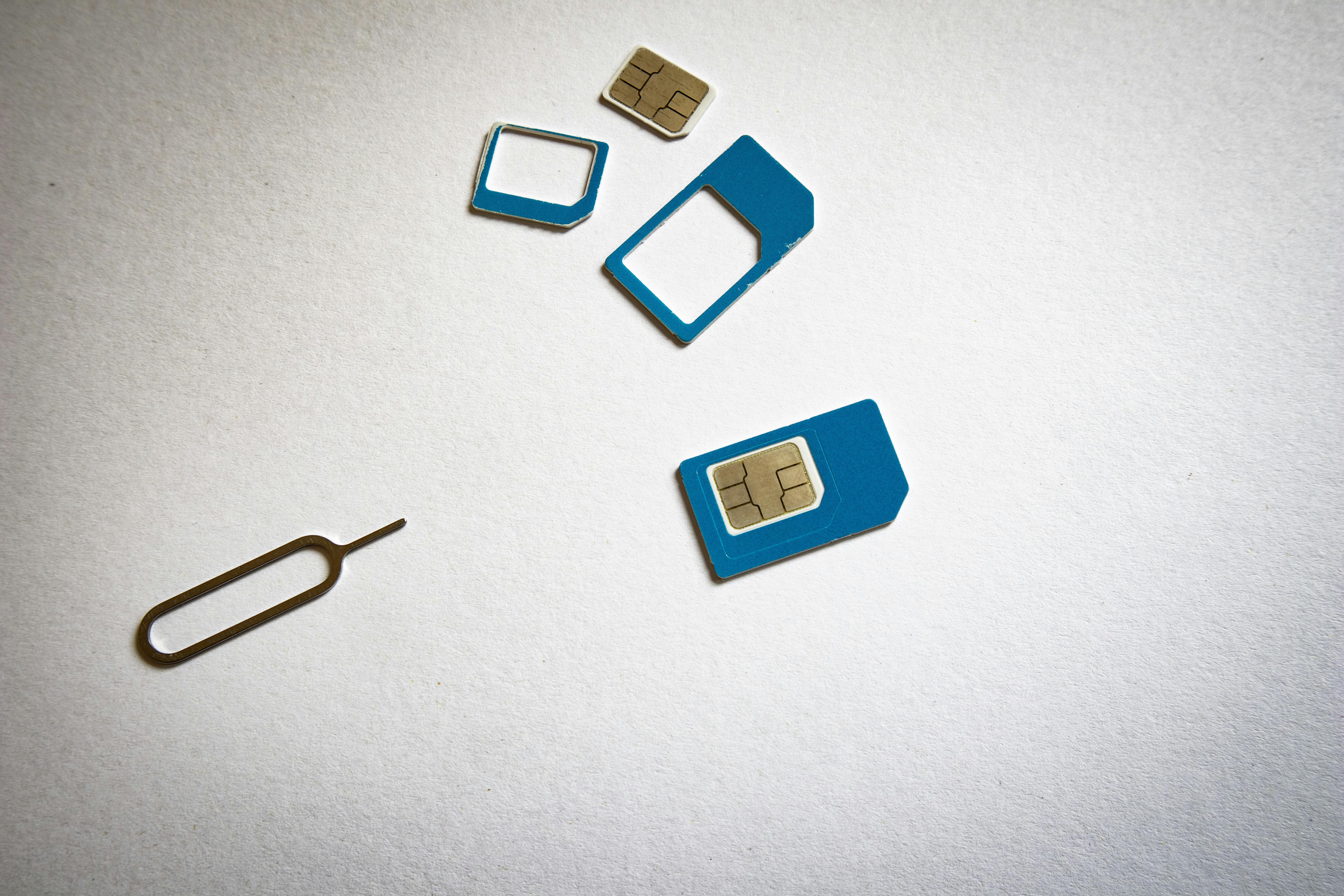
For most visitors, an eSIM is the lowest-drama option. You buy a plan online, scan a QR code or follow the provider’s app instructions, and connect the moment you arrive. No tiny plastic card or losing the SIM ejector tool. No standing in an airport shop while your jet-lagged brain tries to remember its own phone number. By having an eSIM active as soon as you touch down, you gain immediate access to digital maps and essential transport apps, allowing you to navigate your arrival without hunting for local SIM shops or airport Wi-Fi.
Before buying one, check two things: your phone must be unlocked, and it must support eSIM. Most newer iPhones, Google Pixels, and many Samsung Galaxy models do, but do not guess. Check in your phone settings or ask your carrier before your trip.
Tourist eSIM providers such as Airalo, Holafly, and Saily sell UK or Europe-wide data plans. A Europe-wide plan makes sense if London is only one stop on a longer trip. A UK-only plan can be better value if you are spending your whole holiday in Britain.
Most travel eSIMs are data-only. That means you can use Google Maps, WhatsApp, iMessage, FaceTime, Uber, email, and social media. You usually will not receive a standard UK phone number for ordinary calls and texts. For most travelers, that is completely fine.
It matters if you expect to receive bank verification texts on your usual number. Keep your home SIM active for incoming messages if your carrier allows it, but turn off data roaming for that line. Otherwise, your phone may happily use expensive home data while you thought your shiny new eSIM was handling the job. Sneaky little traitor.
Physical prepaid SIM cards are still an option. You can often find them in airport shops, Tesco, Boots, convenience stores, and mobile carrier shops. EE, O2, Vodafone, and Three are the main UK networks. Physical SIM availability is becoming less consistent for new connections as eSIM use grows, so it is not the option I would choose for a short trip unless your phone does not support eSIM.
If you do buy a physical SIM, bring an unlocked phone and your passport. Ask whether the plan includes EU roaming if you are heading to Ireland or continental Europe afterward. Roaming rules vary by provider and plan, so do not assume Europe is included because the package design has a picture of the Eiffel Tower.
How Much UK Mobile Data Do You Need?
A short city break does not require a heroic amount of data. Google Maps, restaurant searches, train apps, and messaging use far less than endless video scrolling. The answer changes quickly if you upload Reels every hour, use your phone as a hotspot, or watch Netflix on the train as if you are commuting to a very glamorous office.
For a three to five day trip, 3GB to 5GB is usually comfortable for ordinary travel use. Choose 10GB or more for a week long trip, frequent photo uploads, or heavy reliance on digital maps when navigating outside of major cities. Unlimited plans can be nice for peace of mind, but always read the fine print. Some plans have speed restrictions or fair use policies that might impact your connection.
Download a few things while you are still on Wi-Fi: offline digital maps for your first destination, your airline app, rail tickets, hotel confirmations, and a copy of your passport in secure cloud storage. Offline map regions are not perfect, but they can save you when your connection has a little airport tunnel tantrum.
Install your eSIM before leaving home if the provider allows it. Then, set it to activate upon arrival. You do not want your first introduction to Heathrow to be a frustrating QR code scan, a weak airport signal, and a missing confirmation email.
Turn off data roaming on your primary SIM unless you have an international plan you genuinely want to use. On iPhones, also switch off Allow Cellular Data Switching. On Android, look for the equivalent setting in SIM or mobile network options. Your home line can stay available for calls and texts without being invited to the data party.
Paying in the UK: Cards, Phones, and the One Rule That Saves Money
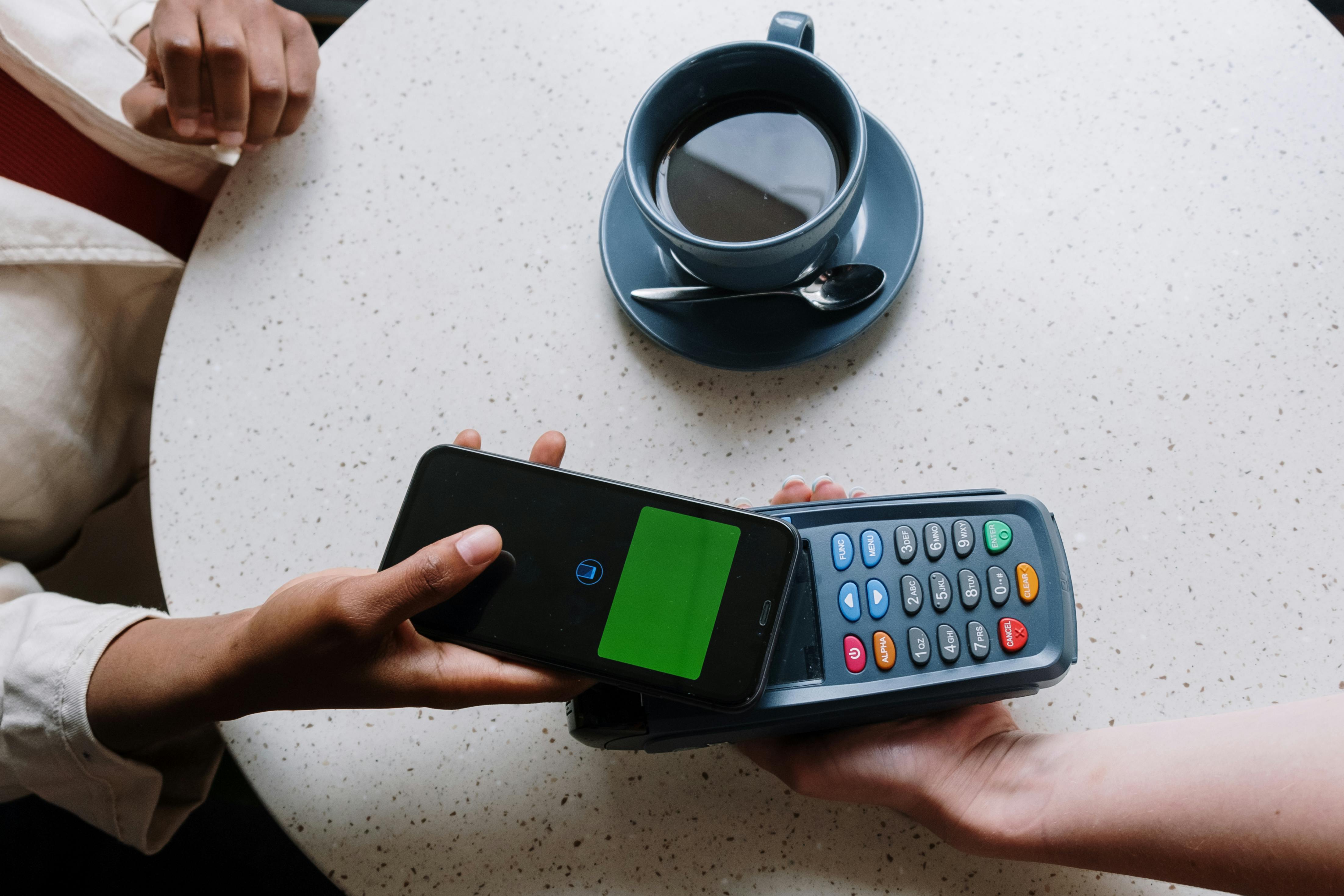
The UK is extremely card-friendly. Contactless payments are the standard in cafes, supermarkets, museums, pubs, taxis, and even many market stalls. You can get through an entire London weekend using a debit card, credit card, Apple Pay, or Google Wallet.
Visa and Mastercard have the broadest acceptance. American Express works at some larger shops, hotels, and restaurants, but do not make it your only card. Bring a Visa or Mastercard backup. A card with no foreign transaction fees is the move here. Those little fees have a way of multiplying like damp laundry in a British hotel bathroom, so check your bank policies before you depart.
When the card terminal asks whether you want to pay in US dollars, Canadian dollars, euros, or pounds, choose pound sterling (GBP). Always. Paying in your own currency is called dynamic currency conversion, and the exchange rate is usually worse. Your card network can handle the conversion far more fairly.
Contactless payments commonly have a £100 limit for a single tap, even though UK rules now allow banks to set their own limits. Your bank may also ask for your PIN after several taps or once your combined contactless spending reaches a security threshold. Know your card PIN before you leave home. A signature will not rescue you.
Mobile wallets work differently. Apple Pay and Google Wallet are widely accepted and do not have the same fixed £100 contactless ceiling. You may need Face ID, fingerprint approval, or your phone passcode for a higher-value purchase. That is normal, not a sign that the terminal has it out for you.
London transport is where mobile payment shines. Use the same contactless card or the same phone for every tap on the London Underground, Overground, Elizabeth line, buses, and trams. Do not tap in with your phone and tap out with your physical card. Transport for London will see two separate payment methods, and your fare calculation can get messy.
You do not need an Oyster card for most short visits if you have contactless payment. Daily and weekly fare caps apply when you consistently use the same card or device. Keep your phone charged, and avoid tapping a wallet full of cards against a reader. The gate may pick the wrong one, because apparently it also enjoys surprises.
Cash Is Still Handy, Just Don’t Go Full Currency-Exchange Panic
You do not need to arrive with a giant envelope of British cash. In fact, it is one of the least useful things to carry. Still, keeping about £30 to £50 in notes can be smart for a tiny rural shop, a market vendor, a public loo, or the rare terminal outage.
Use a bank ATM, often called a cash machine in the UK, rather than a random tourist-area machine with dramatic exchange-rate warnings. If the ATM offers to convert the withdrawal into your home currency, decline. Always choose to withdraw in pound sterling and let your own bank handle the conversion.
Many UK ATMs are free to use, but your home bank may charge a foreign withdrawal fee. Check before you go. If an ATM charges a local fee, it must show you before you accept the transaction. Walk away if the numbers are rude.
Tipping is less intense than in the US. Many sit-down restaurants add an optional service charge, often around 12.5%, to the bill. Check your receipt before adding another tip. For counter service, pubs, taxis, and coffee shops, a little extra is appreciated but not expected every single time.
Frequently Asked Questions
Do I need a voltage converter for my hair dryer or straighteners?
You likely do. Most hair styling tools are not dual-voltage and will overheat or break if plugged into the UK’s 230V outlets without a heavy-duty converter. It is often safer and lighter to leave these at home and use the hair dryer provided by your hotel or purchase a dual-voltage travel model.
Can I use my home bank card at all shops and restaurants?
Yes, the UK is extremely card-friendly, and contactless payment is standard everywhere from fancy restaurants to market stalls. Visa and Mastercard are the most widely accepted, so keep an Amex as a secondary option only. Just ensure your bank does not charge foreign transaction fees before you depart.
What should I do if my phone is not eSIM-compatible?
If your device does not support eSIM, you can purchase a physical prepaid SIM card from providers like EE, O2, Vodafone, or Three upon arrival. These are available at many convenience stores, airport shops, and mobile carrier outlets. Be sure your phone is unlocked by your home carrier before you travel to ensure a local SIM will work.
Should I carry cash while traveling in the UK?
While you can easily navigate the UK with just a card or mobile wallet, it is helpful to keep £30 to £50 in cash for emergencies. Small independent shops, market vendors, or rural pubs may occasionally have issues with card terminals or prefer cash for very small transactions.
A Five-Minute Arrival Plan That Actually Works
Before your flight lands, take a moment to ensure your travel documents are accessible. Have your passport and ETA ready, as these are often requested at border control. Once you land, switch your phone out of airplane mode, activate your eSIM if needed, and confirm that your cellular data is using the correct travel line. Send a quick message home, open your map, and sort out how you are getting into town before you leave the terminal, because spotty airport Wi-Fi makes last-minute transfer research miserable. If you are landing in London, my guide to airport-to-hotel transfers covers the calmest Heathrow, Gatwick, and Stansted options.
For security, keep your essential items in a cross-body bag or an anti-theft backpack. Add your preferred card to Apple Pay or Google Wallet before you leave home, and keep a backup card in a separate wallet. Losing a card is annoying, but losing your only working payment method while standing at a busy train station is a plot twist nobody wants.
While you are preparing, double-check your toiletries checklist to ensure you have everything you need for the first night. Stashing a reusable water bottle in your day bag is a smart move to stay hydrated during your transit. Also, consider the local seasonal weather. You might find that layering clothes or having a waterproof jacket nearby is necessary the moment you step outside the airport terminal.
Keep your Type G adapter, charging cable, power bank, and backup card together in a small zip pouch. It keeps the least glamorous parts of travel from becoming the most irritating parts of your trip.
For plug compatibility by country, Power Plugs & Sockets is a handy final check, especially if your UK trip continues somewhere with a different outlet type.
Final Thoughts
The practical side of a UK trip is not glamorous, but it is wonderfully manageable. Simply bring a Type G adapter, set up your mobile data before arrival, and pay in pounds using your card or phone wallet.
Once those UK travel essentials are handled, your phone stays charged, your maps work, and your money goes toward fish and chips instead of avoidable transaction fees. Remember that a truly complete packing list includes more than just electronics; it covers everything from your universal adapter to your most comfortable walking shoes. Get these basics sorted early, and you can focus on enjoying a stress-free trip across the pond.
