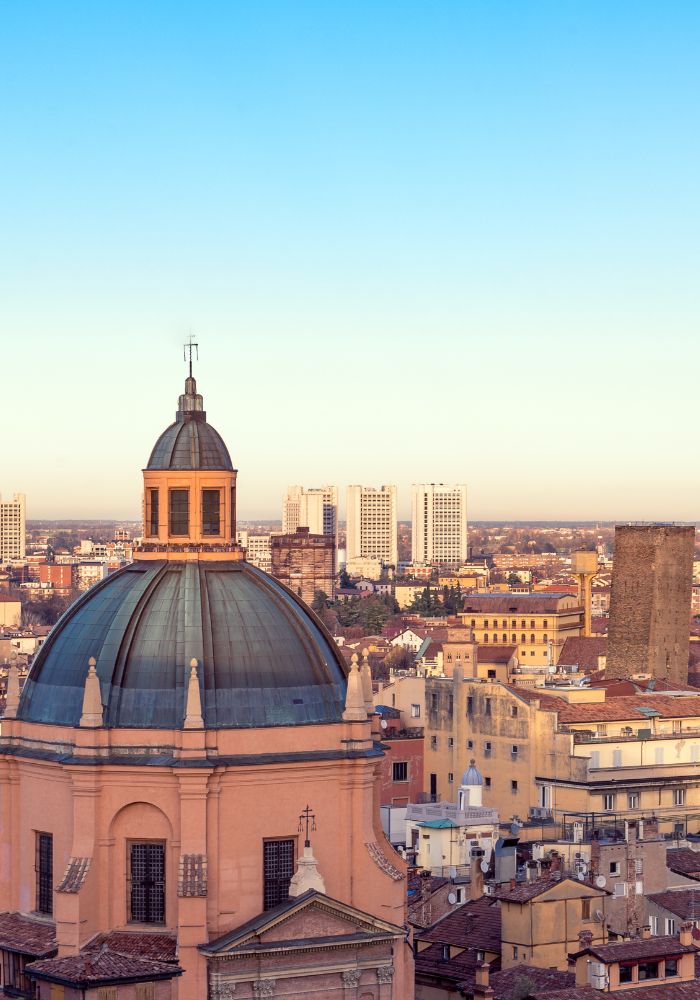


Underrated European cities offer a refreshing alternative to popular European destinations, which are great until you’re paying too much for a tiny hotel room and standing in line behind half the planet. The classic hits still earn their fame, but fame can come with crowds, stress, and that weird feeling that you’re touring someone else’s Instagram feed.
If you want charm, culture, great food, and streets you can enjoy without elbowing strangers, the smarter move is often the less obvious one to avoid the crowds and escape the negative effects of over-tourism. These lesser-known destinations pair beautifully with a famous neighbor, but they often win on value, pace, and pure trip enjoyment while offering a more personal connection.
Key Takeaways
- Underrated gems like Porto, Bologna, Ghent, and Ljubljana deliver river views, killer food, walkable streets, and authentic vibes without the crowds, overpriced hotels, and stress of famous neighbors like Lisbon, Florence, or Prague.
- These cities shine for foodies (Bologna’s pasta paradise), budget travelers (Bratislava, Riga, Timișoara), and slow wanderers (Ljubljana’s green calm), offering better value and a personal feel on weekend breaks or easy add-ons.
- Skip the tourist traps for human-sized centers where you can linger at cafés, cruise canals, and savor meals without sprinting—your wallet, feet, and mood will thank you.
- Perfect for crowd-haters, couples, solos, and repeat visitors wanting fresh spots that support sustainable travel by easing pressure on overhyped hubs.
What makes an underrated city better than a famous one?
A lesser-known city isn’t better because it’s obscure. It’s better when it gives you the good stuff without the travel headache.
That usually means budget-friendly hotel prices, shorter waits, and a center you can walk without needing a recovery nap. It also means a stronger local feel. You’re more likely to hear regular life around you and enjoy authentic experiences in local culture, not just rolling suitcases and guided tour flags.
Better doesn’t always mean grander. Sometimes it means easier, calmer, and more fun for your budget.
The sweet spot between value, atmosphere, and things to do
The best hidden-gem cities aren’t empty. They’re lively enough for a weekend getaway, sometimes longer, but they still feel human-sized. You can see a castle, eat an absurdly good meal, linger at a café, and still have energy left for a sunset walk.
That’s the sweet spot. You get beautiful streets and memorable food, but without the pressure to sprint from landmark to landmark. In many of these places, the same budget buys a better room, a longer dinner, and maybe dessert too. Tragic, I know.
Who will love these alternatives most
These cities work especially well for first-time travelers to European destinations who hate crowds, couples who want a slower city break, and solo travelers who’d rather wander than over-plan. They’re also great for repeat visitors who have already done the headline cities and want somewhere that feels fresh.
Food-focused travelers will probably fall hardest. So will anyone who likes easy walking, good public transit, and a center that doesn’t feel like a theme park with cathedral lighting.
The underrated European cities that outshine their famous neighbors
None of this is a diss track for Lisbon, Florence, Brussels, Prague, or Vienna. Those cities are icons for a reason. Still, if your goal is a more relaxed Europe city break, these underrated European cities often fit better.
Porto is a calmer, better-value pick than Lisbon
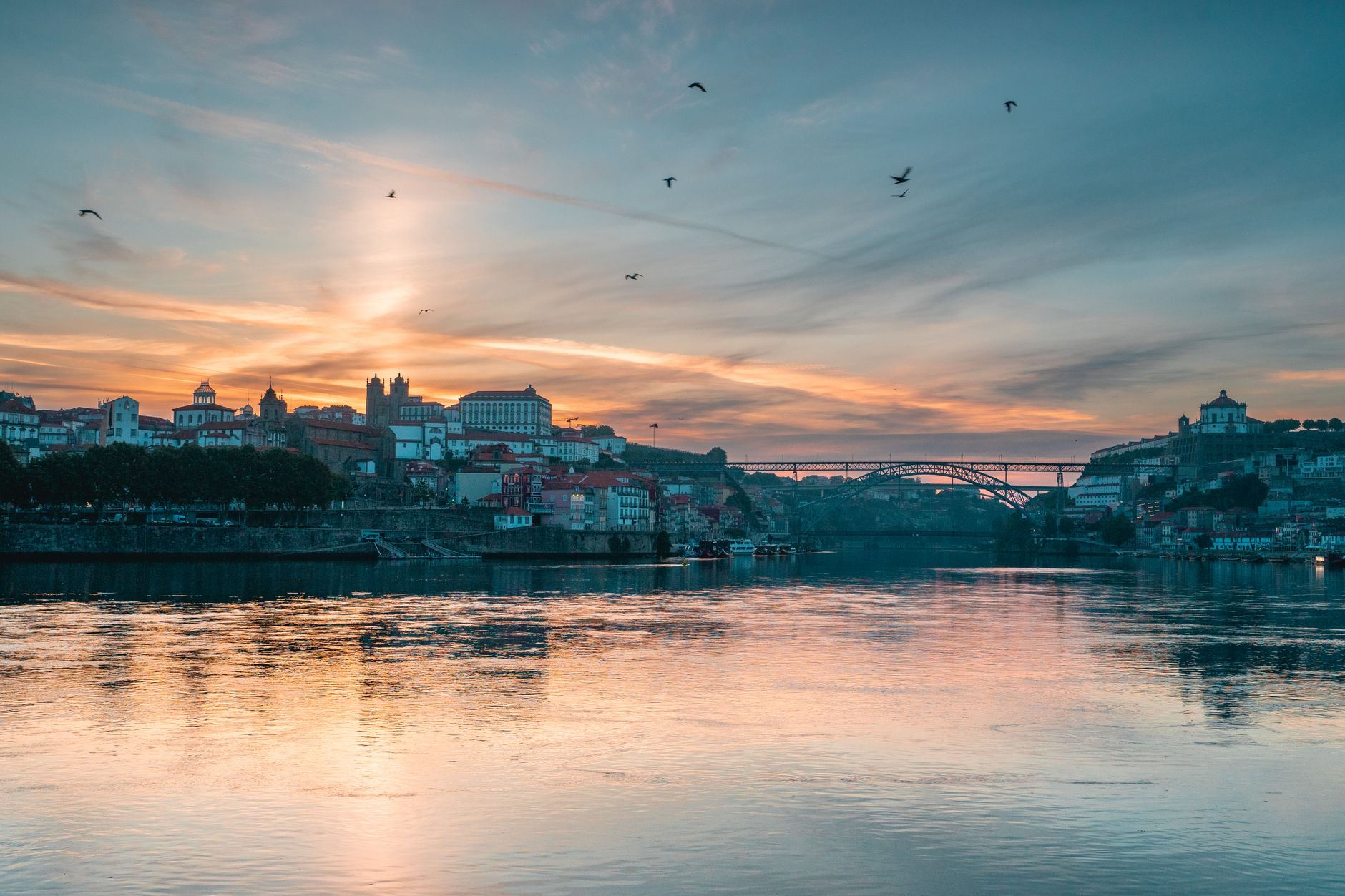
Porto, a UNESCO World Heritage Site and classic river city, has river views, tiled façades, steep little lanes with cobblestone streets, and just enough grit to keep it interesting. Lisbon has bigger-city buzz, but Porto often feels easier to love. You can spend a few days around Ribeira, cross the Dom Luís I Bridge, sip port in Vila Nova de Gaia, and never feel like you’re fighting the city.
Prices also tend to be kinder. That matters when you want a stylish stay without selling a kidney for it. For a good-value base, look at Porto A.S. 1829 Hotel or Moov Hotel Porto Centro. If you want a splurge that still feels smart, The Rebello Hotel & Spa or Torel Avantgarde bring serious atmosphere.
A small-group port tasting or a Six Bridges cruise also fits Porto’s vibe better than a checklist sprint. The city rewards slow travel. Lisbon is exciting, sure, but Porto is the friend who tells you to sit down, order another snack, and stop trying so hard.
Bologna beats Florence for food lovers who want fewer crowds
Florence is gorgeous. It also knows it. Bologna, on the other hand, feels like it has better things to do than pose for postcards.
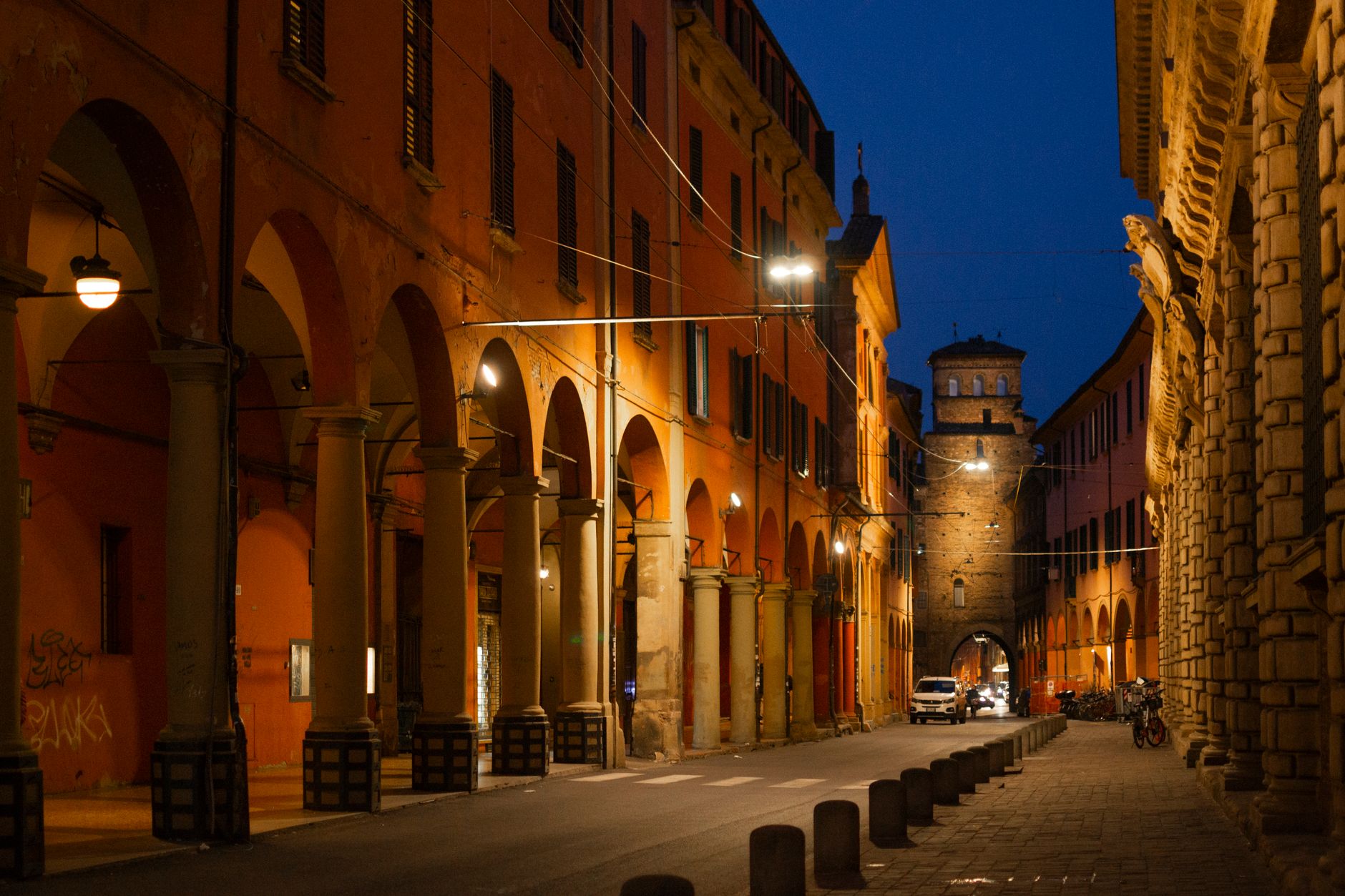
This is where you go if you care more about lunch than lines. Bologna’s porticoes make walking easy in any weather, its Old Town buzzes with vibrant energy, the medieval center feels lived-in, and its historical attractions draw you in. Tortellini, ragù, mortadella, fresh pasta, market snacks, late-night wine, it all hits harder when you’re not eating shoulder to shoulder with a tour group.
Stay near the historic center and you can do the whole city on foot. Hotel Porta San Mamolo is a cozy favorite, while Art Hotel Orologio puts you right by Piazza Maggiore. Budget-minded travelers often like Combo Bologna for its social vibe and solid location.
A pasta-making class or a small food tour through Quadrilatero is money well spent here. Florence wins on blockbuster art. Bologna wins on daily pleasure, and honestly, daily pleasure has range.
Ghent gives you canal beauty and culture without Brussels chaos
Ghent feels like the answer to a trick question. Want canals, medieval buildings, strong beer, street art, and a center that still feels local? Cool, go to Ghent.
Brussels has major sights and serious political weight. Ghent has charm that lands faster. The picturesque canals are gorgeous, Gravensteen Castle with its medieval architecture looks straight out of a dramatic fantasy plot, and neighborhoods like Patershol feel lively without feeling staged. It’s compact, too, which makes a short trip much more pleasant.
For places to stay, 1898 The Post is the dream pick if you want character. Pillows Grand Boutique Hotel Reylof works well for a polished but peaceful stay, while Hostel Uppelink is ideal for budget travelers who still want the center at their doorstep.
A canal cruise is worth it here, even if you usually roll your eyes at tourist boats. Ghent also works beautifully as a slower stop between bigger cities. Brussels can be busy and fragmented. Ghent feels cohesive, like the city actually wants you to enjoy yourself.
Ljubljana feels like a softer, greener version of Prague or Vienna
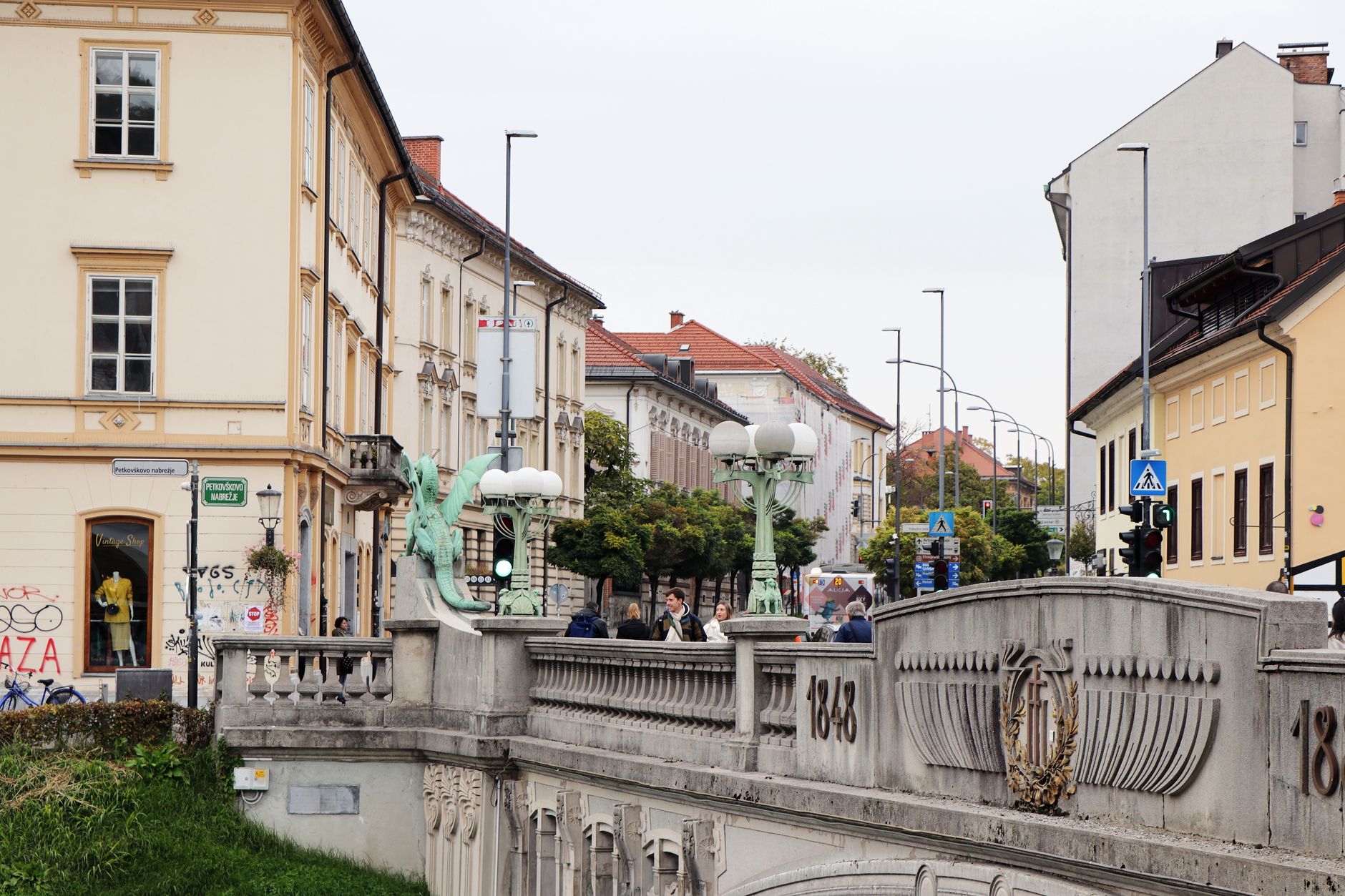
Ljubljana, one of the most inviting European destinations for those seeking stunning landscapes nearby, is ridiculously easy to like. The center is compact, the riverfront is lovely, and the whole place feels calmer than cities it gets compared with. Prague has the fame, Vienna has the imperial polish, but Ljubljana has breathing room.
The car-free core helps a lot. You can stroll from Triple Bridge to Dragon Bridge, ride up to the castle for scenic views, and spend the rest of the day by the Ljubljanica with coffee and zero agenda. That sounds simple because it is, and that’s the charm.
Hotels here often punch above their price point. B&B Hotel Ljubljana Park is a good-value pick, while Hotel Heritage and Vander Urbani Resort suit travelers who want something more intimate and stylish.
A castle visit, a food walk, or a riverside evening is usually enough to sell the city. Prague can feel like everyone had the same brilliant idea. Ljubljana feels like you got there first.
More hidden gem cities worth choosing if you want something different
These hidden gems deserve a spot on your shortlist, especially if you want lower prices and fewer travel clichés.
Bratislava is easier, cheaper, and more relaxed than Vienna

Vienna is elegant, but Bratislava is easier on both your feet and your wallet. It’s an ideal day trip from Vienna. The compact Old Town delivers strong castle views, and the Danube setting gives the city a relaxed backbone. You can cover a lot in two days without feeling rushed.
LOFT Hotel Bratislava is a smart mid-range pick, while Marrol’s Boutique Hotel feels more polished. For budget travelers, Patio Hostel keeps costs low without tossing you into the middle of nowhere. Add a Devin Castle trip or a simple walking tour, and you’ve got a Central Europe city break that doesn’t bankrupt your snack budget.
Riga offers more space and better value than Tallinn

Tallinn gets a lot of love, and fair enough, it’s pretty. Riga often gives you more room to breathe. The Art Nouveau district is one of its biggest wins, and the Central Market offers cultural immersion with real everyday energy that many postcard cities lack. It’s a prime spot for off the beaten path exploration.
Neiburgs Hotel is great if you want Old Town charm with style. Konventa Sēta Hotel works well for location and value, and Cinnamon Sally Backpackers Hostel is a good call for solo travelers. Add a market food tour or an Art Nouveau walk, and Riga starts to feel like one of Europe’s smartest under-the-radar picks.
Timișoara is a more laid-back cultural escape than Bucharest

Bucharest has size and edge. Timișoara, one of Europe’s most charming towns, has balance. Its university atmosphere makes it great for student travel, while the handsome squares and easygoing café scene add a polished but unfussy feel. It also still feels under-covered, which is a gift in travel terms.
Try Mercure Timișoara for comfort, or Old Town Hotel if you want to stay close to the action. A guided walk through the main squares and cultural sites makes sense here, because the city’s charm is in its rhythm as much as its landmarks.
Frequently Asked Questions
Why pick these underrated cities over their famous neighbors?
Famous spots like Lisbon or Florence pack charm but also endless lines, sky-high prices, and Instagram overload. Underrated alternatives like Porto or Bologna give you the highlights—stunning architecture, epic food, riverside strolls—with calmer streets, cheaper stays, and a local vibe that feels more like your trip, not a checklist.
Which city is best for food lovers avoiding crowds?
Bologna crushes it for pasta, ragù, mortadella, and market snacks under porticoes that shield you from weather and tourists alike. You’ll eat like royalty in lively squares without shoulder-to-shoulder tour groups, plus it’s super walkable for hopping between aperitivo spots and late-night wine.
What’s the top pick for budget travelers?
Bratislava, Riga, and Timișoara stand out with wallet-friendly hotels, meals, and transit that let you enjoy castles, markets, and squares without financial regret. They’re compact for short stays, less touristy for authentic hangs, and pair easily with Vienna or Tallinn for value-packed extensions.
Are these good for short weekend city breaks?
Absolutely—Porto, Ghent, and Bologna fill 2-3 days with easy walks, canal cruises, food tours, and castle views, no filler needed. Their human scale means no exhaustion from transit or planning, just relaxed riversides, snacks, and sunsets that leave you energized, not wiped out.
How do I choose based on my travel style?
Food and walkability? Bologna or Porto. Canals and beer? Ghent. Greener calm? Ljubljana. Tighter budget? Bratislava or Riga. Match your vibe—rivers, markets, or squares—to skip hype for spots that fit like a glove, saving cash and sanity.
How to choose the right city for your travel style
Picking the best among these underrated European destinations comes down to how you like to travel, not which place has the loudest reputation.
Best picks for food, walkability, and a weekend city break
If food is the main event, pick Bologna. It’s rich, walkable, and built for long lunches. If you want river views and easy sightseeing, Porto, a highlight among coastal towns, works beautifully. For a compact city with canals, bars, and instant atmosphere, Ghent is a strong weekend choice.
These cities fill two or three days with zero filler. That’s the dream.
Best choices for lower costs and fewer tourist crowds
For tighter budgets, Bratislava, Riga, and Timișoara are the standouts. Savings show up in hotel rates first, but also in drinks, transit, and casual meals. You won’t feel like every coffee order is a financial event.
They’re also less saturated with mass tourism, which changes the whole mood. The trip feels lighter because the city does too.
Best options for scenic streets, relaxed vibes, and slow travel
If your ideal day includes a walk, a view, and no strict schedule, go with Ljubljana, which offers access to nearby hiking trails for nature lovers, or Porto. Both reward wandering. Both have riverfront energy. Both make it easy to fill a day without trying to optimize every second like you’re managing a spreadsheet on vacation.
That’s usually the difference between a good trip and one you keep talking about.
Europe’s most memorable city breaks are often the ones hiding in plain sight. The best fit isn’t always the famous one, and that’s great news for your budget, your mood, and your feet. Choosing these spots supports sustainable travel by reducing pressure on main hubs.
Pick the city that matches your style, not the tourist traps with the loudest hype. A less obvious choice can give you more space, better meals, and a trip that feels like your own, which is kind of the whole point. Once you have chosen your city, our guide to packing light for two weeks in Europe will help you travel lighter and enjoy every stop more.
